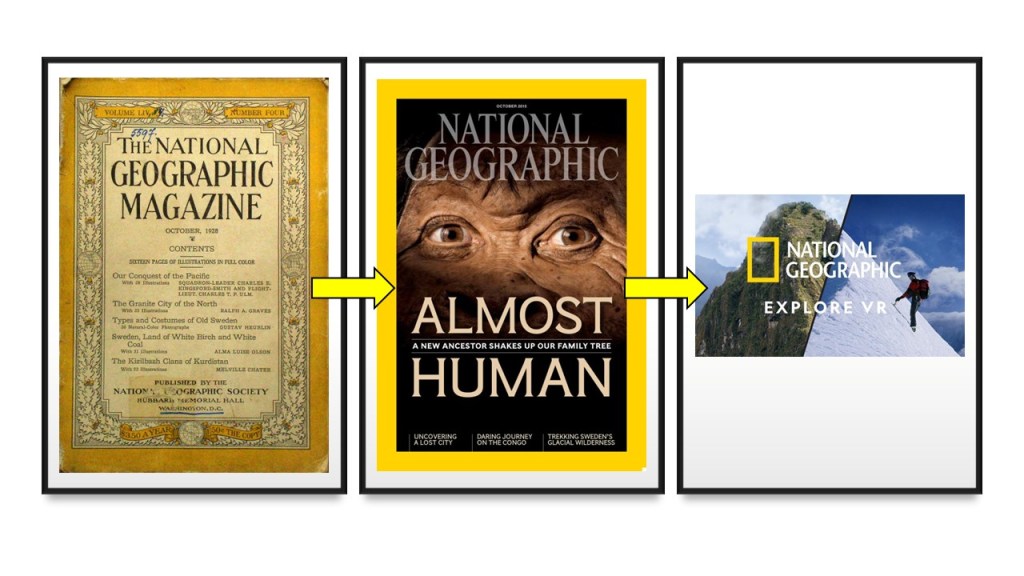
Brand positioning plays an important role in how consumers understand and connect with a brand. One brand that has done an amazing job at evolving while staying true to its roots is National Geographic. Over time, the brand has updated its name usage, slogan, and digital strategy to stay relevant while still focusing on its mission of exploration, science, and storytelling.
National Geographic has always been known for inspiring people to learn about the world through exploration, science, and education. Many people remember the iconic yellow-bordered magazines filled with incredible photography and stories from around the world. However, as media consumption began shifting toward digital platforms, the brand needed to adjust how it presented itself to reach new audiences.
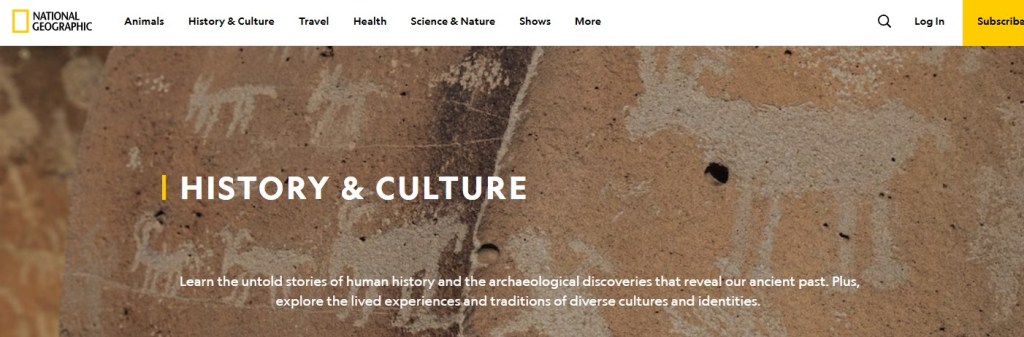
One of the most important repositioning efforts came in 2016, when the company simplified its brand by removing the word “Channel” from its television identity. Instead of separating the magazine, television network, and digital platforms, everything was unified under the single name National Geographic. This made the brand easier to recognize and helped create a consistent identity across all platforms. Wheeler and Meyerson (2024) explain that strong brands communicate a clear and unified identity to both consumers and stakeholders, which helps strengthen brand recognition.
Another key part of the repositioning was the introduction of the slogan “Further.” This message reflects the brand’s commitment to exploration and curiosity, encouraging audiences to go deeper into stories about science, culture, and the natural world. The rebranding also supported a shift toward more cinematic and premium programming, such as series like Mars and Genius, helping the brand feel more modern and sophisticated (Gretel, n.d.).
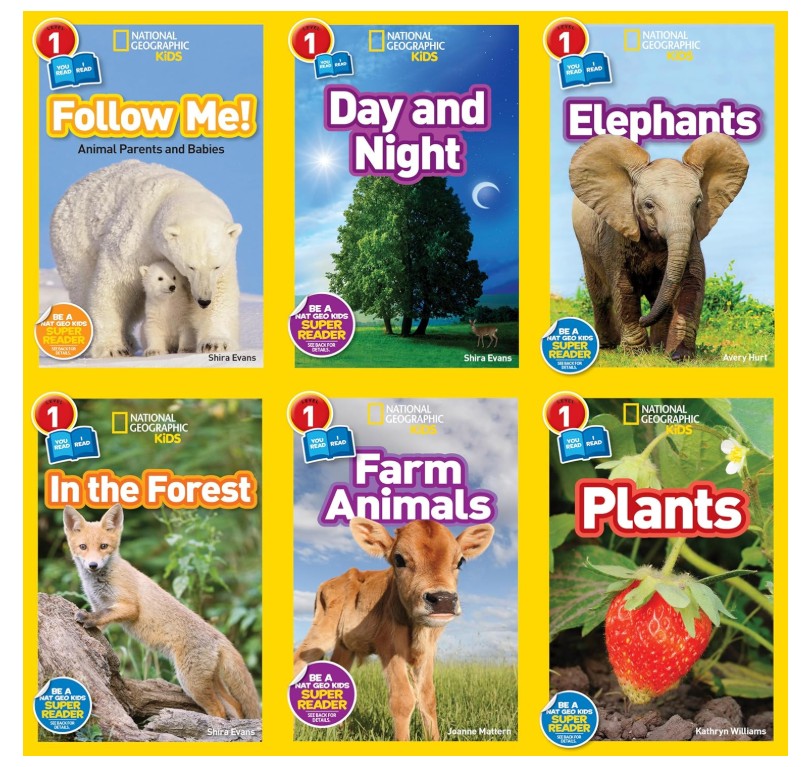
At the same time, National Geographic found ways to reconnect with younger audiences. The National Geographic Kids magazine became a strong tool for positioning the brand with children and families. These magazines are often used in classrooms and schools to help students learn about science, animals, geography, and world cultures in an engaging way. By reaching younger audiences through education, the brand has been able to build early familiarity and trust with future generations of readers and explorers.

From a marketing perspective, National Geographic also demonstrates the concepts of points of parity (POPs) and points of differentiation (PODs). Points of parity allow the brand to compete within the media and documentary category by producing educational and informational content. However, the brand’s points of differentiation come from its world-renowned photography, history of exploration, and connections to real scientific research and conservation work. These factors help make National Geographic stand out from other educational media brands and strengthen its credibility.
The repositioning also helped expand National Geographic’s digital presence. Today, the brand connects with global audiences through websites, streaming content, and social media platforms. In fact, National Geographic has one of the most followed accounts on Instagram, sharing powerful images from photographers around the world (Fabrik Brands, n.d.). This digital strategy allows the brand to stay relevant while continuing to promote its mission of exploration and environmental awareness.
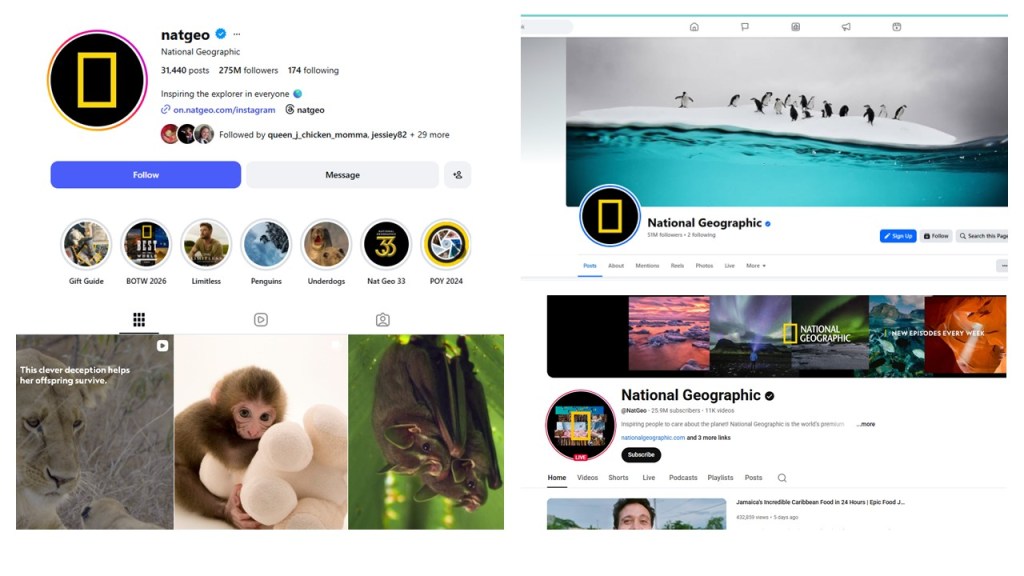
When developing a brand name, clarity and recognition are critical strategies. National Geographic demonstrates this by simplifying its identity and using the same name across all of its platforms. Wheeler and Meyerson (2024) explain that effective brand names should be memorable, meaningful, and consistent across touchpoints. By consolidating its identity, National Geographic strengthened its brand positioning and made it easier for audiences to connect with the brand.
Overall, National Geographic shows how a well-established brand can evolve while still honoring its core mission. Through its simplified branding, the “Further” slogan, expanded digital presence, and educational initiatives like National Geographic Kids, the brand has successfully repositioned itself for modern audiences while continuing to inspire curiosity about the world.
References
Fabrik Brands. (n.d.). Brands and companies that have repositioned themselves.
15 Brands And Companies That Have Repositioned Themselves
Gretel. (n.d.). National Geographic rebrand. National Geographic — Gretel
Wheeler, A., & Meyerson, R. (2024). Designing brand identity: A comprehensive guide to the world of brands and branding (6th ed.). John Wiley & Sons, Inc.
 Site Title
Leave a comment