Author: Simply Styled by Kat

  • Why Marketing Objectives Are Essential for Business Success

    What Are Marketing Objectives?

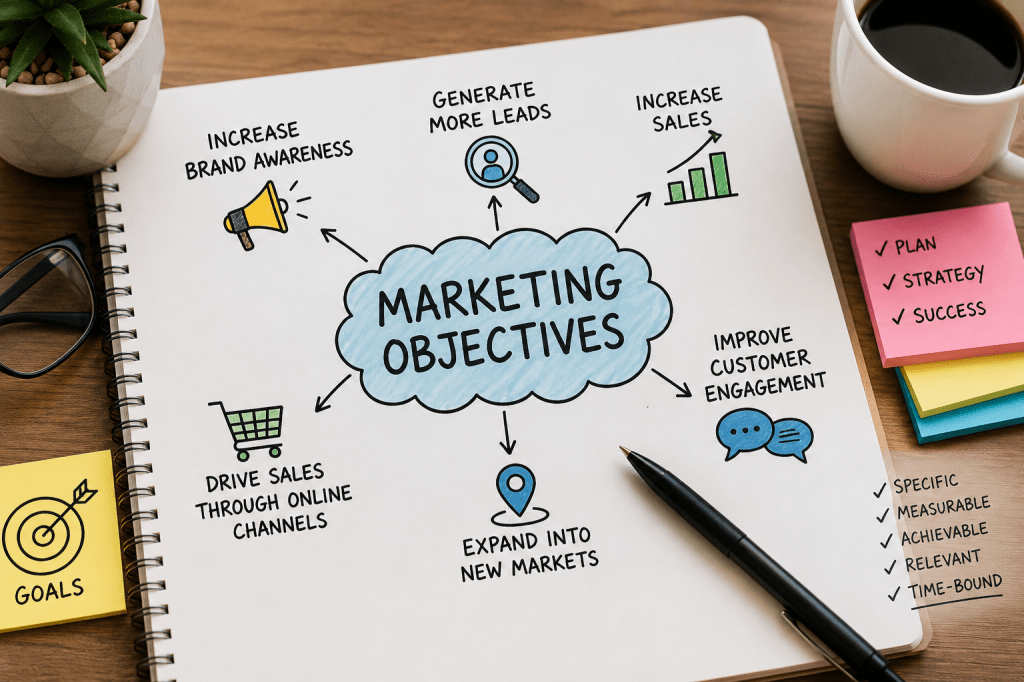
    Marketing objectives are the goals a company sets to help guide its marketing efforts and support overall business growth. These goals give teams a clear direction and help them focus on what they are trying to accomplish. Common marketing objectives include increasing brand awareness, growing sales, gaining market share, entering new markets, improving customer engagement, and increasing online sales (Kotler & Keller, 2016).

    Without clear objectives, businesses can end up spending time and money on activities that do not contribute to their overall success. Many companies use SMART goals when developing marketing objectives, which means the goals are specific, measurable, achievable, relevant, and time-bound (Corporate Finance Institute [CFI], n.d.). Having clear objectives makes it easier to prioritize marketing activities, track progress, and determine whether marketing efforts are producing results.

    Marketing Objectives in Action: Booked & Branded

    For my proposed business, Booked & Branded, marketing objectives help keep the company focused on its mission of helping independently owned event venues and hospitality businesses grow through affordable and personalized digital marketing services. The goal is to help small businesses increase their visibility, attract more customers, and ultimately generate more bookings without needing a large internal marketing team.

    Some examples of marketing objectives for Booked & Branded include increasing brand awareness by 40% during the first year, gaining 25 recurring clients within the first 12 months, and increasing client engagement rates by 30% through social media and short-form video content. These goals provide clear benchmarks for success and help determine whether the company’s marketing efforts are delivering meaningful results.

    Aligning Marketing Activities With Business Goals

    Marketing objectives should support the overall mission and goals of a business. When marketing activities align with what the company is trying to achieve, it becomes much easier to make decisions, stay focused, and measure success.

    For Booked & Branded, the mission is to help small event venues and hospitality businesses increase customer engagement and generate more bookings. Because of that, marketing activities should focus on strategies that demonstrate real results. Social media management, short-form videos, customer testimonials, case studies, and educational content can all help showcase success while increasing visibility and attracting new clients.

    When marketing objectives and business goals work together, companies can better prioritize their efforts, invest resources wisely, and ensure their marketing activities are contributing to long-term growth.

    Marketing Activities That Support Objectives

    Companies use a variety of marketing activities to help achieve their goals. Some common examples include digital advertising, social media campaigns, content marketing, email marketing, influencer partnerships, search engine optimization (SEO), and customer referral programs (Kotler & Keller, 2016). The key is choosing activities that support the company’s objectives and connect with the target audience.

    For Booked & Branded, marketing efforts would focus heavily on platforms such as Instagram, TikTok, Facebook, and YouTube. These channels are ideal for showcasing visual content, highlighting client success stories, and connecting directly with potential customers. Since event venues and hospitality businesses rely heavily on visuals and customer experiences, social media and short-form video content would be powerful tools for attracting new clients. By selecting marketing activities that align with the company’s goals, Booked & Branded can make the most of its marketing budget while building awareness and growing its client base.

    Legal Considerations in Marketing Objectives

    When developing marketing objectives, organizations must consider legal responsibilities. Companies must comply with advertising regulations, copyright laws, privacy requirements, and disclosure guidelines for sponsored content. Marketing objectives should never encourage activities that mislead consumers or violate industry regulations.

    For Booked & Branded, legal compliance would include protecting client information, respecting copyright ownership of creative content, obtaining permission for user-generated content, and ensuring proper disclosure of paid promotions and partnerships.

    Ethical Considerations and Customer Trust

    Ethics are just as important as legal requirements when setting marketing objectives. The American Marketing Association (AMA) encourages marketers to be honest, transparent, fair, respectful, and responsible in their business practices (American Marketing Association, n.d.).

    Companies should make sure their marketing goals support truthful communication and treat customers fairly. For Booked & Branded, that means providing clients with honest analytics reports, accurately sharing campaign results, and being transparent about advertising and marketing practices. By operating ethically, businesses can build trust, strengthen their reputation, and create long-term relationships with customers and clients.

    Conclusion

    Marketing objectives provide a roadmap for business success. They help companies stay focused, measure progress, and ensure that marketing efforts support the overall mission and goals of the organization. Whether the goal is to increase brand awareness, generate more sales, gain market share, enter new markets, or improve online engagement, having clear objectives gives teams direction and helps keep everyone working toward the same outcomes.

    When businesses establish measurable goals and follow strong legal and ethical practices, they are better positioned for long-term growth. Clear objectives not only help drive results but also build trust with customers, clients, and other stakeholders.
    References

    American Marketing Association. (n.d.). AMA statement of ethics. AMA Statement of Ethics

    Corporate Finance Institute. (n.d.). SMART goals. Corporate Finance Institute (CFI): #1 in Finance Skills & Certifications

    Kotler, P., & Keller, K. L. (2016). Marketing management (15th ed.). Pearson.
  • Finding the Right Audience: Using Market Segmentation to Define a Target Market

    Understanding a target market is one of the most important steps in developing an effective marketing plan. Market segmentation allows businesses to divide larger audiences into smaller groups with shared characteristics, helping organizations create more focused marketing strategies and stronger customer connections. Without identifying a target market, businesses risk using broad marketing campaigns that may not reach the right audience.

    For my proposed service, Booked & Branded, a digital marketing service designed for independently owned event venues and hospitality businesses, identifying the target audience is essential for creating a successful marketing strategy. Two tools marketers can use to define target markets are market segmentation analysis and customer behavior analytics.

    Market Segmentation Analysis

    Market segmentation analysis helps businesses group customers according to demographic, geographic, psychographic, and behavioral characteristics. According to Corporate Finance Institute (2020), market segmentation improves customer targeting by helping organizations better understand consumer needs and create more personalized marketing efforts.

    For Booked & Branded, segmentation would help identify ideal clients such as:

    • Independent wedding venues
    • Boutique event spaces
    • Agritourism businesses
    • Farm venues
    • Small hospitality businesses without internal marketing teams

    Geographic segmentation would focus initially on the southeastern United States, particularly North Carolina, where tourism, wedding venues, and agritourism businesses continue to grow. Demographically, the target market would include business owners and venue managers between approximately 30–60 years old. Psychographically, these individuals often value creativity, customer experience, community engagement, and business growth.

    Behavioral segmentation would also help identify venue owners who actively use social media but struggle with consistency, branding, engagement, or content creation. Sawtooth Software (2024) explains that effective market segmentation creates more efficient marketing campaigns because organizations can focus on specific customer needs rather than broad audiences.

    Customer Behavior and Social Media Analytics

    Another valuable tool for identifying target markets is customer behavior analytics through digital platforms and social media insights. Tools such as Google Analytics, Instagram Insights, Facebook Business Suite, and TikTok Analytics provide marketers with audience information related to demographics, engagement behavior, location, and content performance.

    These tools help marketers understand:

    • Customer interests
    • Audience demographics
    • Geographic trends
    • Engagement levels
    • Preferred content types

    For Booked & Branded, these analytics tools would help determine which event venues interact most with digital content and which marketing platforms generate the strongest engagement. Since event venues rely heavily on visual storytelling and customer experiences, short-form video performance would become especially important.

    The market segmentation video resource also emphasizes that understanding customer behavior supports better positioning, targeting, and communication strategies when developing marketing plans (YouTube, 2022).

    Why These Tools Matter in Marketing Plan Development

    The information gathered through segmentation and analytics directly supports marketing plan development because it helps marketers determine target audiences, messaging strategies, positioning, promotional channels, pricing decisions, and customer relationship activities.

    Based on these tools, the primary target market for Booked & Branded would be independently owned event venues, boutique hospitality businesses, wedding venues, and agritourism locations seeking affordable digital marketing support. A secondary audience could include other small hospitality businesses needing social media management and branding assistance.

    As competition continues to increase, organizations that understand their customers and apply market segmentation strategies effectively will be better positioned to build customer loyalty and long-term growth.

    References

    Corporate Finance Institute. (June 25, 2020). Market segmentation and targeting. Market Segmentation and Targeting – Overview and Example

    Sawtooth Software. (Feb 13, 2024). Market segmentation best practices. Market Segmentation Best Practices: Tips for Accurate Audience Identification | Sawtooth Software

    YouTube. (Sep 17, 2022). Market segmentation and targeting [Video]. 7 Powerful Market Research Tools You Should Use Right Now! – YouTube

  • Volkswagen’s Dieselgate: When Trust Breaks Down

    Woman sits against a blue Beetle outside a sign reading VOLKSWAGEN DEALERSHIP.
    A woman sits thoughtfully against her blue Volkswagen Beetle outside a car dealership on a cloudy day.

    Some brands don’t just face a crisis; they completely reshape how consumers see them. For me, the Volkswagen’s Dieselgate scandal is on of those moments, and it hits a little closer to home than most.

    At the time, I owned a diesel Beetle convertible that I absolutely loved. It was my first “big girl” car, and I enjoyed cruising around town in it. I had also just taken on a market role that required a lot of travel, so the fuel efficiency was a huge benefit. At one point, I was even making money off my mileage reimbursement. I wasn’t the only one invested in Volkswagen either; my husband had a diesel Jetta, so we were very much a Volkswagen family. It had become part of our identity. To us, these cars were safe, reliable, and incredibly efficient.

    So when the news broke that Volkswagen had been manipulating emissions testing, we were shocked and honestly felt a bit betrayed. It makes you stop and wonder: why would a company take that risk? Were they trying to be first to market with something innovative and willing to do whatever it took to get there? And what about the consumers who trusted them and fell in love with the product?

    It honestly felt like being in a relationship where everything seems perfect, and then suddenly you find out the other person wasn’t being honest. That trust is hard to rebuild once it’s broken.

    A crying woman sits outside a Volkswagen building with a box labeled STUFF.
    A distraught woman sits outside a closed Volkswagen facility, capturing the emotional reality of sudden unemployment.

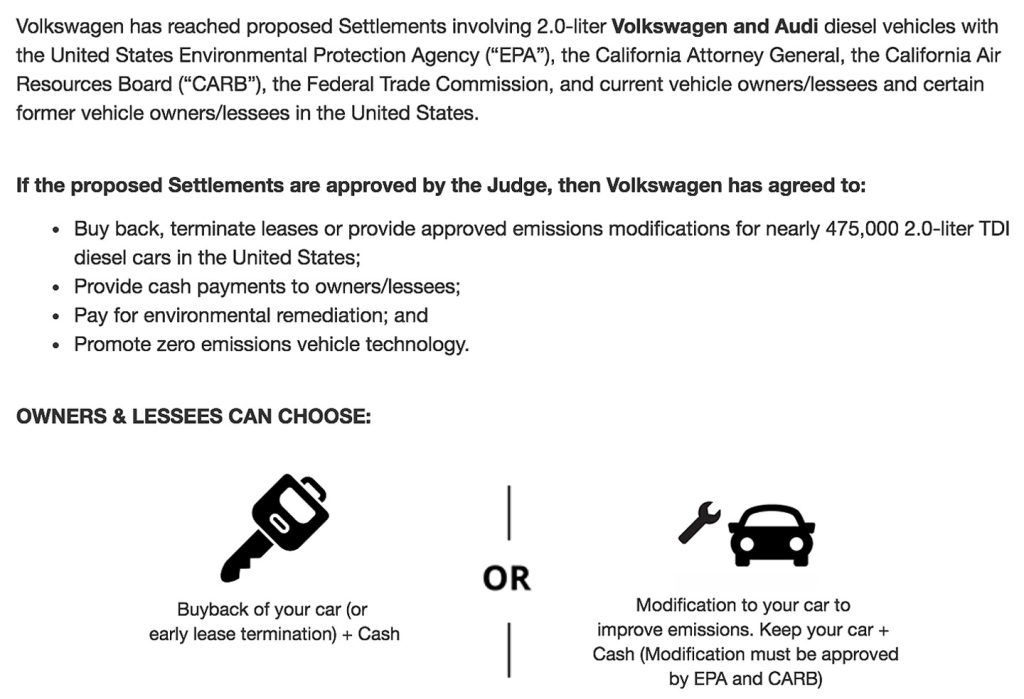
    Volkswagen’s ethical and legal issue began when it was discovered that the company had installed software in diesel vehicles to cheat emissions tests. These “defeat devices” allowed the cars to pass environmental standards during testing, while actually producing higher emissions during real-world driving. This was not just a technical issue; it was a major breach of trust. According to the U.S. Environmental Protection Agency (EPA), Volkswagen ultimately faced billions in settlements and agreed to buy back or repair affected vehicles (EPA, n.d.).

    From a brand perspective, this had a significant impact on consumer perception. Volkswagen had positioned itself as a brand focused on innovation and efficiency, especially with its “clean diesel” messaging. Once the truth came out, that positioning fell apart completely. Consumers felt misled, and trust, one of the most important parts of any brand relationship, was damaged almost overnight.

    I saw this firsthand. Instead of just enjoying our cars, we were suddenly dealing with uncertainty, potential repairs, and eventually the buyback process. While Volkswagen did offer to buy back the vehicles, which helped recover some of the damage, it didn’t change the fact that the situation could have been avoided entirely with honest communication.

    This situation also highlights how unethical behavior can have ripple effects beyond just one issue. Research shows that when brands act unethically, it can create broader negative perceptions that impact long-term brand equity and consumer loyalty (Nichols et al., 2023). Even if a company takes corrective action, rebuilding trust takes time.

    In terms of engagement, Dieselgate caused many consumers to rethink whether they wanted to continue supporting Volkswagen. Some customers walked away from the brand entirely, while others stayed but with hesitation. This is especially critical in the maturity stage of a brand’s life cycle, where maintaining trust and loyalty is key to long-term success.

    Looking back, Volkswagen could have handled this situation very differently. The most obvious starting point would have been avoiding deceptive practices altogether. From a brand management perspective, aligning actions with brand values is essential (Wheeler & Meyerson, 2024). However, once the issue surfaced, their biggest misstep was the lack of transparency. The way it was handled made it feel like they were trying to hide their actions, which only made things worse. More upfront, clear communication, earlier acknowledgment, and a stronger focus on accountability could have helped reduce the damage to their reputation and rebuild trust more effectively.

    That said, the buyback program was a step in the right direction. For many customers, including myself, it showed some level of accountability. But it also felt like a reactive fix rather than a proactive solution.

    Ultimately, Dieselgate is a strong example of how quickly a brand’s reputation can shift when ethical standards are not upheld. It also reinforces an important lesson: brand identity isn’t just what a company says, it’s what it does. When those two things don’t align, consumers notice, and the impact can last far beyond the initial mistake.

    References

    U.S. Environmental Protection Agency (EPA). (n.d.). Volkswagen Clean Air Act civil settlement.
    Volkswagen Clean Air Act Civil Settlement | US EPA

    Nichols, B. S., Kirchoff, J. F., Confente, I., & Stolze, H. (2023). When brands behave badly: Signaling and spillover effects of unethical behavior in the context of triple bottom line sustainability. Journal of Product & Brand Management.

    Wheeler, A., & Meyerson, R. (2024). Designing brand identity: A comprehensive guide to the world of brands and branding (6th ed.). John Wiley & Sons, Inc.

  • Going “Further”: How National Geographic Repositioned Its Brand for the Digital Age

    Brand positioning plays an important role in how consumers understand and connect with a brand. One brand that has done an amazing job at evolving while staying true to its roots is National Geographic. Over time, the brand has updated its name usage, slogan, and digital strategy to stay relevant while still focusing on its mission of exploration, science, and storytelling.

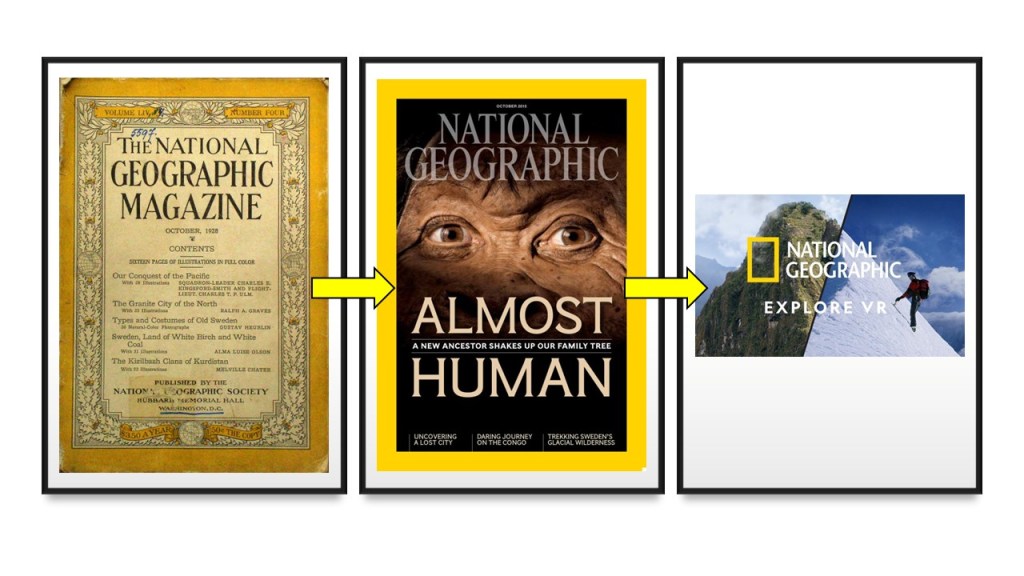
    National Geographic has always been known for inspiring people to learn about the world through exploration, science, and education. Many people remember the iconic yellow-bordered magazines filled with incredible photography and stories from around the world. However, as media consumption began shifting toward digital platforms, the brand needed to adjust how it presented itself to reach new audiences.

    One of the most important repositioning efforts came in 2016, when the company simplified its brand by removing the word “Channel” from its television identity. Instead of separating the magazine, television network, and digital platforms, everything was unified under the single name National Geographic. This made the brand easier to recognize and helped create a consistent identity across all platforms. Wheeler and Meyerson (2024) explain that strong brands communicate a clear and unified identity to both consumers and stakeholders, which helps strengthen brand recognition.

    Another key part of the repositioning was the introduction of the slogan “Further.” This message reflects the brand’s commitment to exploration and curiosity, encouraging audiences to go deeper into stories about science, culture, and the natural world. The rebranding also supported a shift toward more cinematic and premium programming, such as series like Mars and Genius, helping the brand feel more modern and sophisticated (Gretel, n.d.).

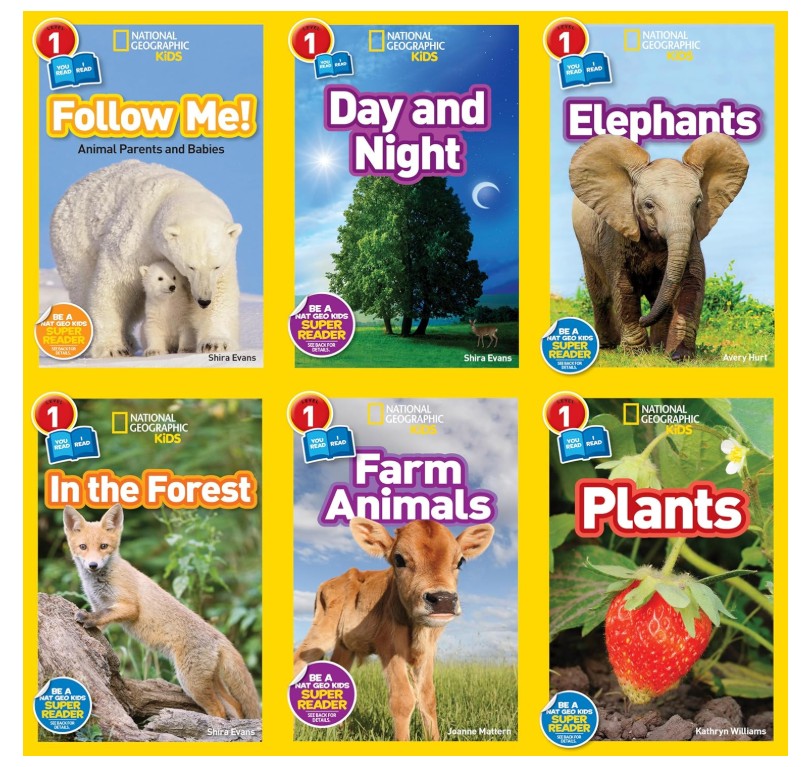
    At the same time, National Geographic found ways to reconnect with younger audiences. The National Geographic Kids magazine became a strong tool for positioning the brand with children and families. These magazines are often used in classrooms and schools to help students learn about science, animals, geography, and world cultures in an engaging way. By reaching younger audiences through education, the brand has been able to build early familiarity and trust with future generations of readers and explorers.

    From a marketing perspective, National Geographic also demonstrates the concepts of points of parity (POPs) and points of differentiation (PODs). Points of parity allow the brand to compete within the media and documentary category by producing educational and informational content. However, the brand’s points of differentiation come from its world-renowned photography, history of exploration, and connections to real scientific research and conservation work. These factors help make National Geographic stand out from other educational media brands and strengthen its credibility.

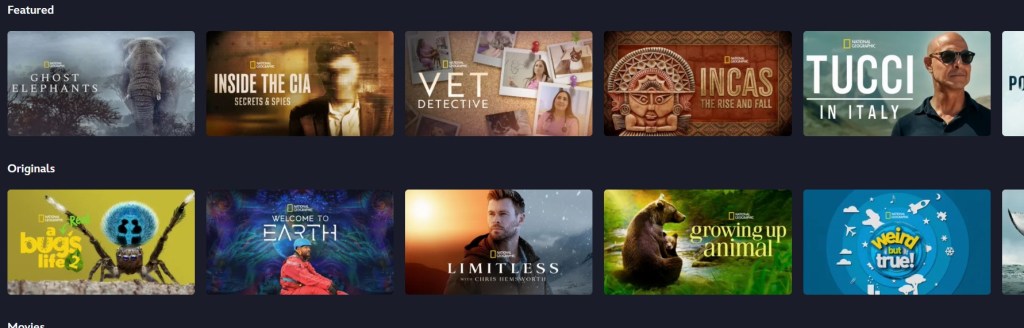
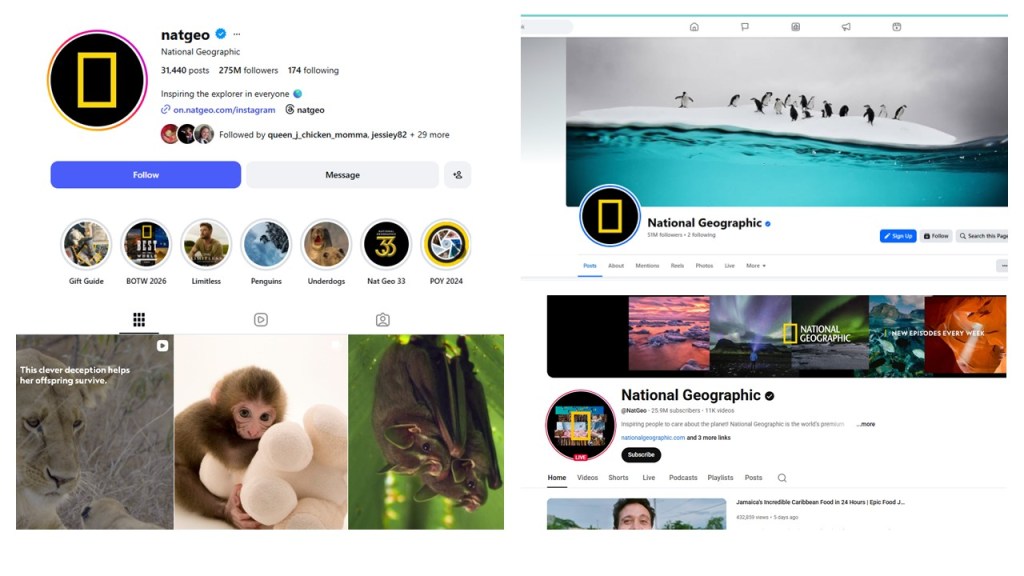
    The repositioning also helped expand National Geographic’s digital presence. Today, the brand connects with global audiences through websites, streaming content, and social media platforms. In fact, National Geographic has one of the most followed accounts on Instagram, sharing powerful images from photographers around the world (Fabrik Brands, n.d.). This digital strategy allows the brand to stay relevant while continuing to promote its mission of exploration and environmental awareness.

    When developing a brand name, clarity and recognition are critical strategies. National Geographic demonstrates this by simplifying its identity and using the same name across all of its platforms. Wheeler and Meyerson (2024) explain that effective brand names should be memorable, meaningful, and consistent across touchpoints. By consolidating its identity, National Geographic strengthened its brand positioning and made it easier for audiences to connect with the brand.

    Overall, National Geographic shows how a well-established brand can evolve while still honoring its core mission. Through its simplified branding, the “Further” slogan, expanded digital presence, and educational initiatives like National Geographic Kids, the brand has successfully repositioned itself for modern audiences while continuing to inspire curiosity about the world.

    References

    Fabrik Brands. (n.d.). Brands and companies that have repositioned themselves.
    15 Brands And Companies That Have Repositioned Themselves

    Gretel. (n.d.). National Geographic rebrand. National Geographic — Gretel

    Wheeler, A., & Meyerson, R. (2024). Designing brand identity: A comprehensive guide to the world of brands and branding (6th ed.). John Wiley & Sons, Inc.

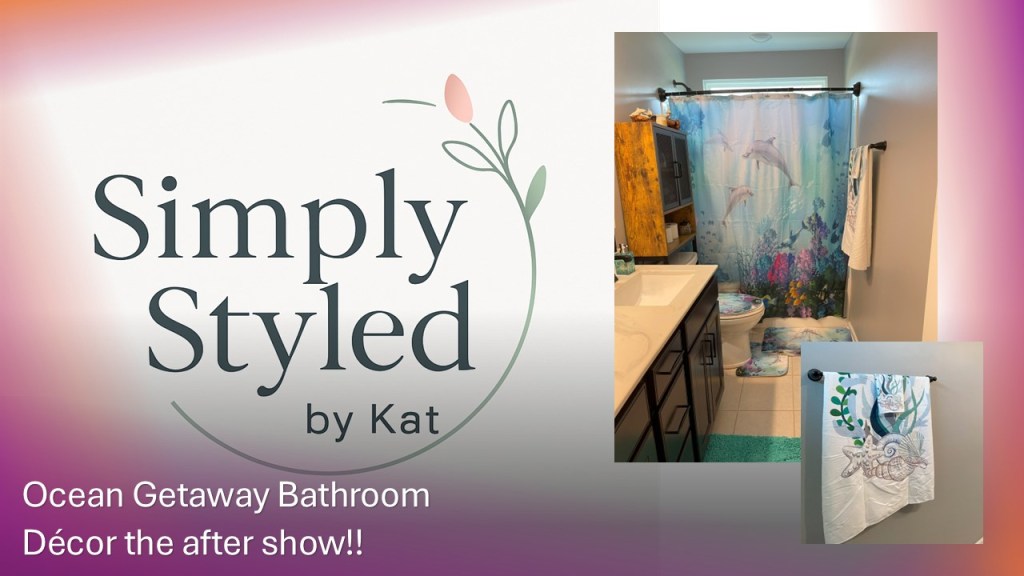
  • 🌊 Ocean-Themed Bathroom Makeover for My Daughter

    When it came time to refresh my daughter’s bathroom, I wanted to create something playful, calming, and full of imagination. Since she’s always been drawn to the ocean — from seashell collecting to mermaid stories — an ocean theme felt like the perfect fit.

    Inspiration

    Honestly, this whole project started with something simple — replacing my daughter’s worn-out toilet seat cover. What should have been a quick swap turned into a full ocean-inspired transition. Once I got going, I leaned all the way in, pulling in as much ocean fun as I could find. She loves visiting her grandmother GiGi at the beach, and the two of them share a special love for sea turtles, so it felt like the perfect theme to bring into her bathroom.

    Color Palette

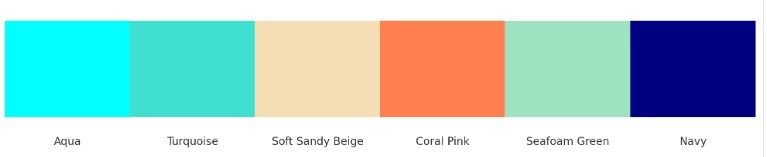
    I started with shades of aqua, turquoise, and soft sandy beige to mimic the look of water and shorelines. White trim kept the space fresh and clean, while touches of coral pink added a pop of vibrancy.

    Key Details

    Shower Curtain: A playful under-the-sea print with fish, coral, and bubbles set the tone.

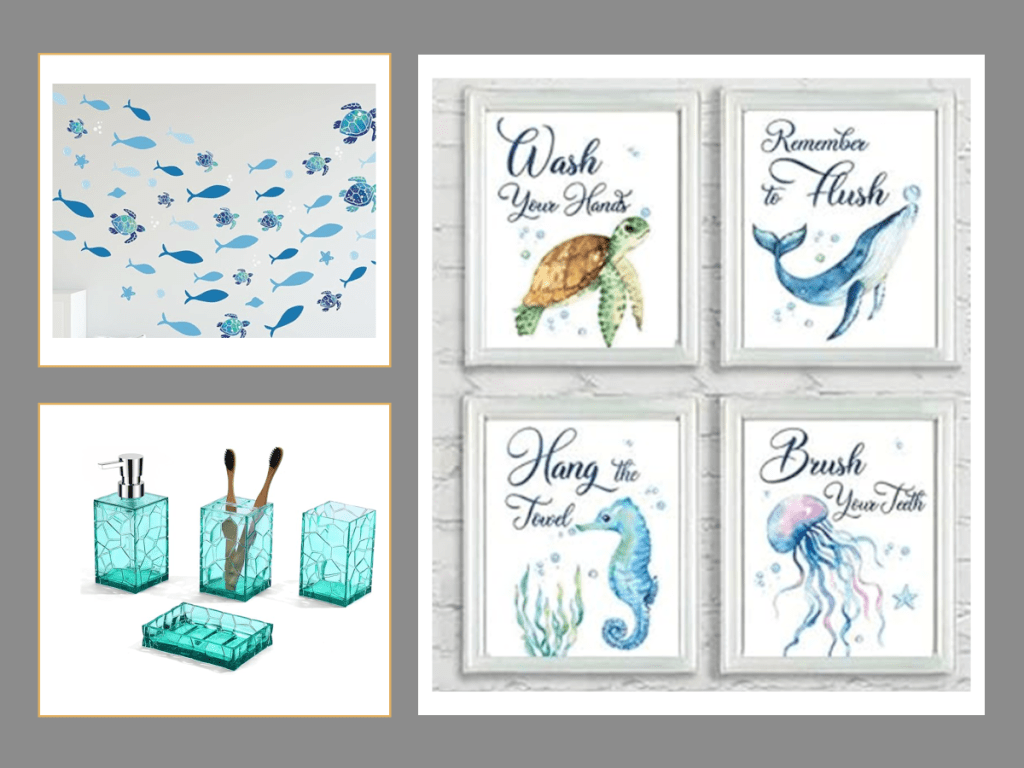
    Wall Décor Prints: I found the cutest print set that playfully reminds kids to Wash your hands” and “Remember to Flush?” — little touches that make the space fun while encouraging good habits. I paired them with these sleek frames for a polished look.

    Playful Wall Stickers: To really bring the theme to life, I added these removable ocean wall decals. They made the room feel like you’re diving under the sea without the permanence of wallpaper.

    Accent Towels & Rugs: I scored these matching towels and rugs, and they coordinated perfectly with the shower curtain, pulling the whole room together.

    Extra Accessories: I also added this playful bathroom set with toothbrush holders and soap dispensers, plus these fun hooks that made hanging towels easy and on-theme.

    Chenille Rugs: These turquoise chenille rugs are a favorite of mine — so soft, absorbent, and durable that I’ve used them in multiple bathrooms. They layered beautifully into the space and gave it a cozy feel.

    Nice Touches

    Sometimes it’s the personal pieces that make a room feel truly special.

    • We had a pair of inherited dolphin sculptures that never really fit anywhere in the house — until now. They found their perfect home in this bathroom, adding both sentiment and style.
    • A little treasure jar filled with shells and sea glass we’ve collected on family trips adds a personal, ocean-wanderer vibe.

    Final Thoughts

    This makeover reminded me that you don’t need to do a total remodel to make a big impact. With a few smart décor choices, a little DIY, and themed accents, you can completely transform a space.

    ✨ Want to see more of my home projects, seasonal décor finds, and DIY makeovers? Check out my YouTube channel and Linktree for all the latest!

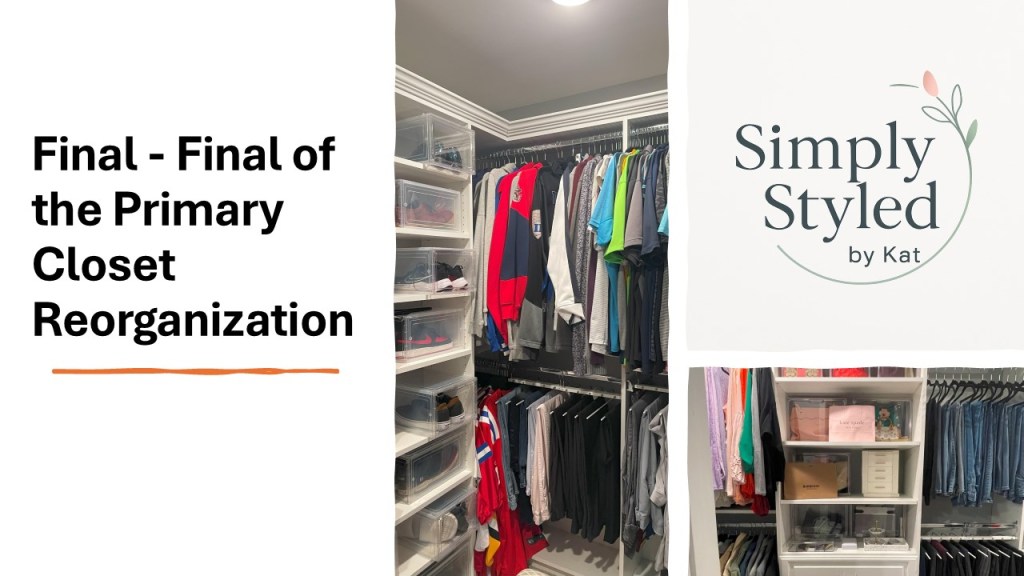
  • Closet Organization Glow-Up: Before & After Reveal + All the Systems We Used!!

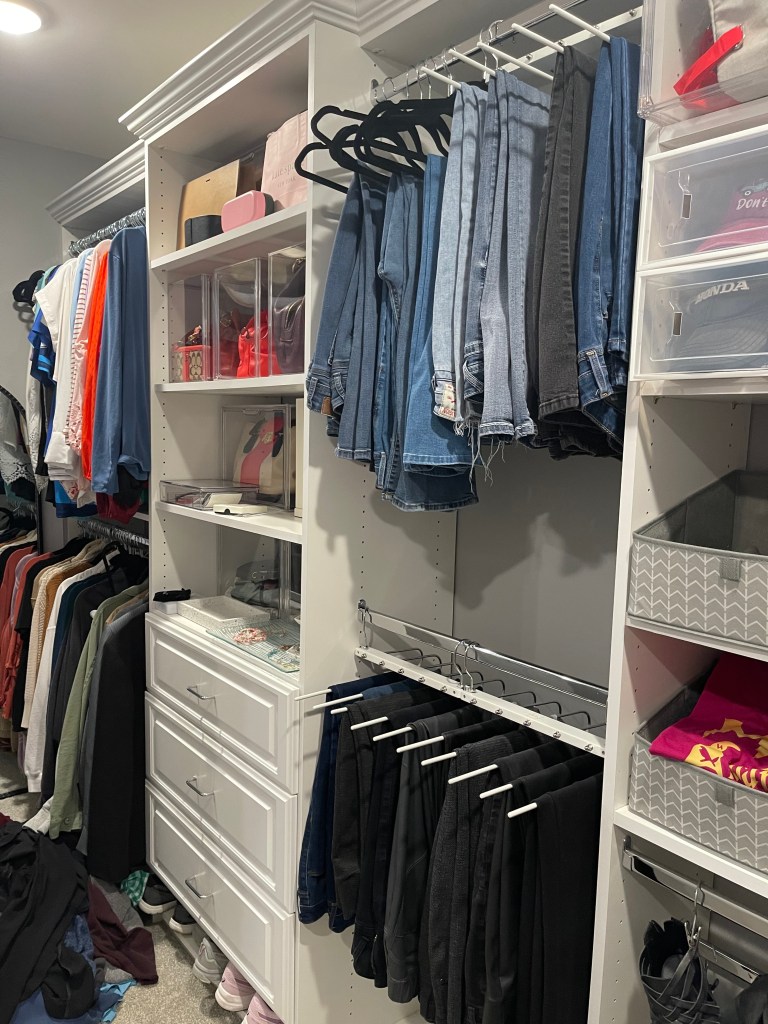
    Welcome back to Simply Styled by Kat! Today I’m diving into one of the most functional (and fabulous) parts of our home—our closet. When we first moved in, we scored a huge bonus: a custom wood closet system already installed. It had great bones, but the organization? That needed some help.

    Our goal? Take what we already had from our last house and expand, enhance, and elevate it to create a space that actually worked for us.

    The “Before”: Not Bad, But Not Styled

    Our original setup was full of potential—shelves, hanging space, drawers—but it was missing personality and flow. The system helped keep things off the floor, but it wasn’t functional for the way we use our clothing and accessories every day.

    That led us to our first makeover attempt… but honestly, it still wasn’t quite right.

    So we went for a second pass. And this time, we got it right.

    What We Did:

    We took all of our favorite storage solutions from our previous house and brought them in. Then we layered in new pieces to better fit the space:

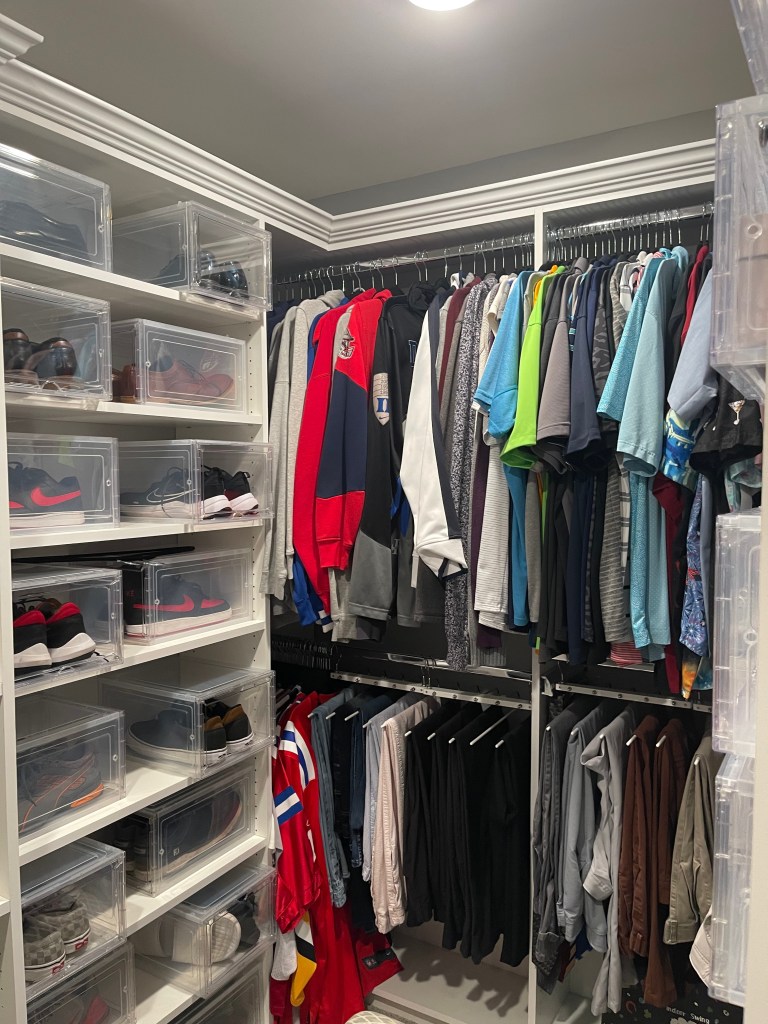
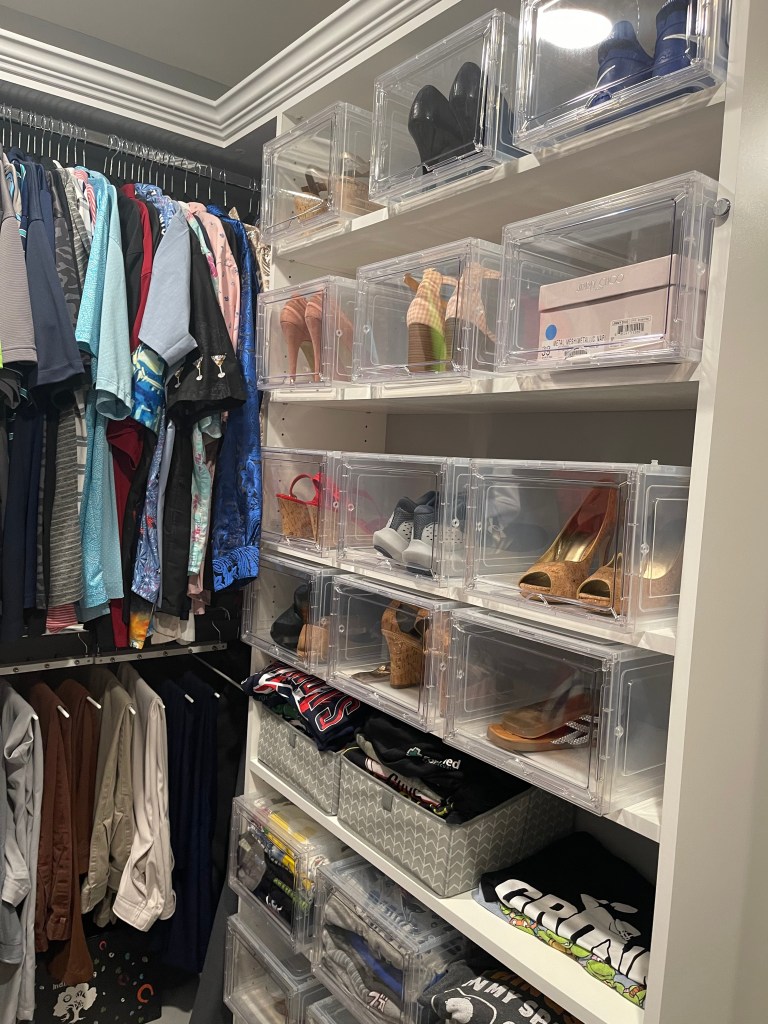
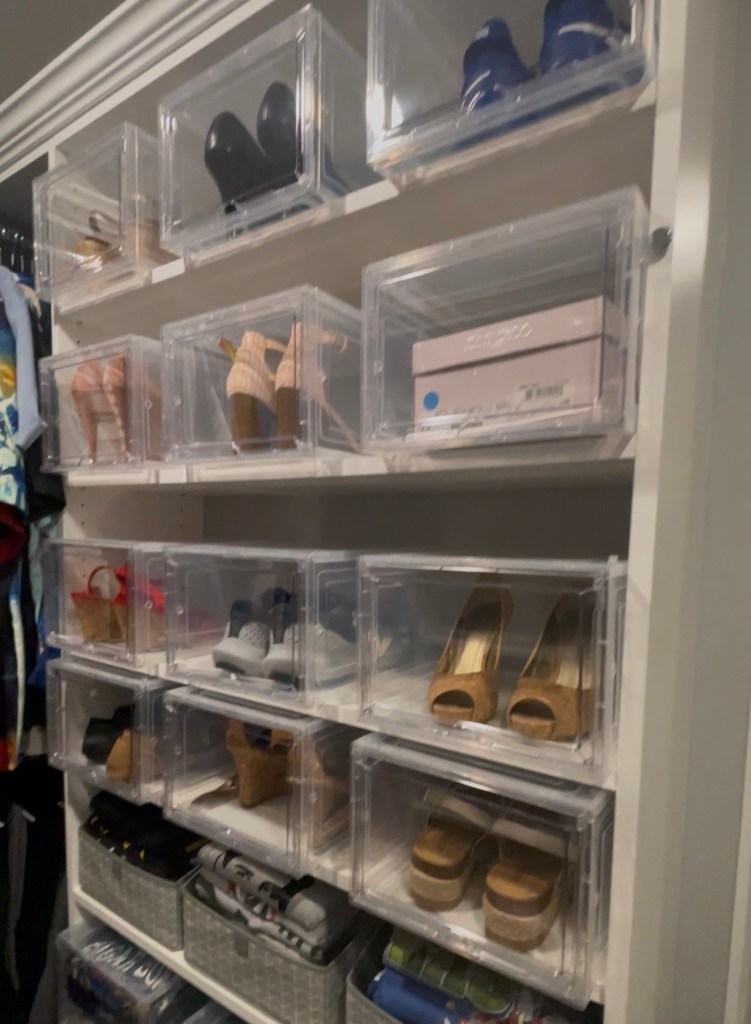
    • Clear drop-front shoe boxes for easy viewing and access
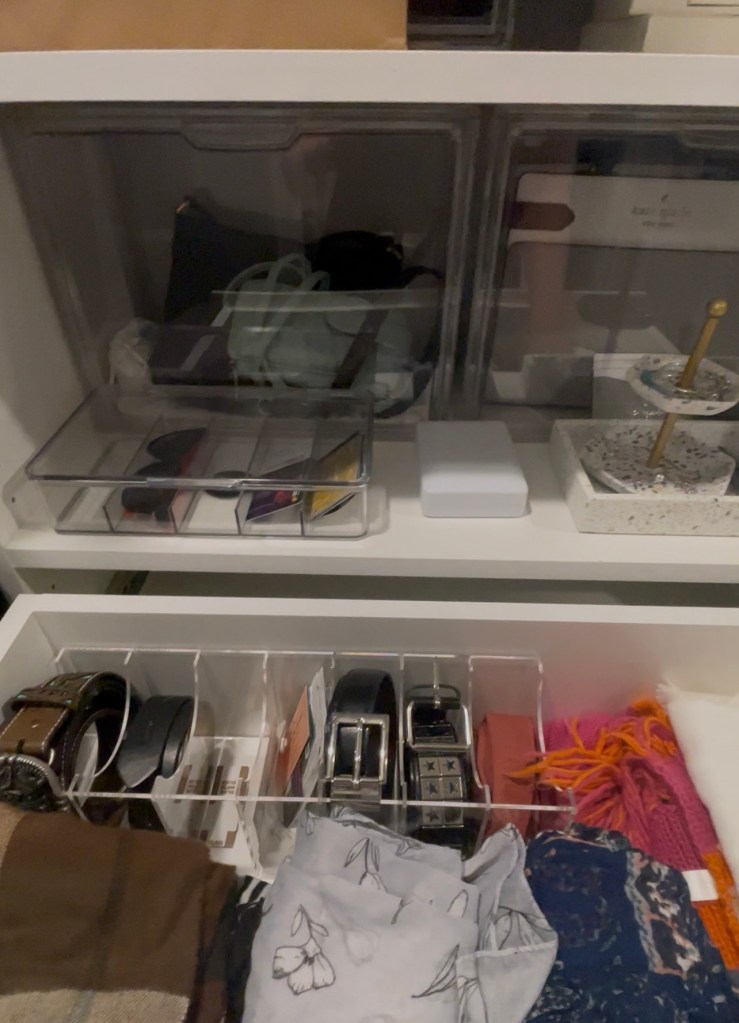
    • Jewelry and watch organizers for our daily accessories
    • Pant hangers, shirt folders, and shelf dividers to better segment items
    • Underwear/sock drawer inserts for drawer sanity
    • And yes… even a cowboy hat hanger – because if you can, why not?

    We also changed up how we folded and stored basics using a new folding method (which we shared in our shirt folding video! You can see that in the YouTube link below!)

    Tools & Products We Used

    Here are a few of the MVPs of this makeover (many of which we’ve linked in our – see here at https://linktr.ee/SimplyStyledbyKat):

    • Clear shoe storage boxes
    • Hat and purse bins
    • Velvet pant hangers + slimline shirt hangers
    • Adjustable drawer organizers
    • Jewelry trays + watch stands
    • Storage baskets (for socks, tees, seasonal wear)
    • Label clips (to keep baskets in check)

    Closet Systems You Can Use

    We were lucky to inherit a solid wood closet system, but if you’re starting from scratch, here are a few systems worth checking out:

    Before & After

    This closet finally feels like us. It’s practical, visually pleasing, and honestly makes getting dressed in the morning so much easier. The combination of clear visibility, defined zones, and stylish storage made all the difference.

    You can see our transformation in the YouTube video :

    Final Thoughts

    Whether you’re starting fresh or just tweaking your current setup, a little intention goes a long way in a closet. Work with what you have, invest in a few core organizers, and most importantly—make it your own.

    Let me know if you try any of these ideas in your space. I’d love to see your closet glow-up!

    xo, Kat

    #ClosetMakeover #SimplyStyledByKat #BeforeAndAfter #ClosetOrganization #SmallSpaceSolutions #ClosetGoals #DIYClosetDesign

  • Fall Finds at World Market: Global-Inspired Decor for Halloween, & Fall🍂🎃

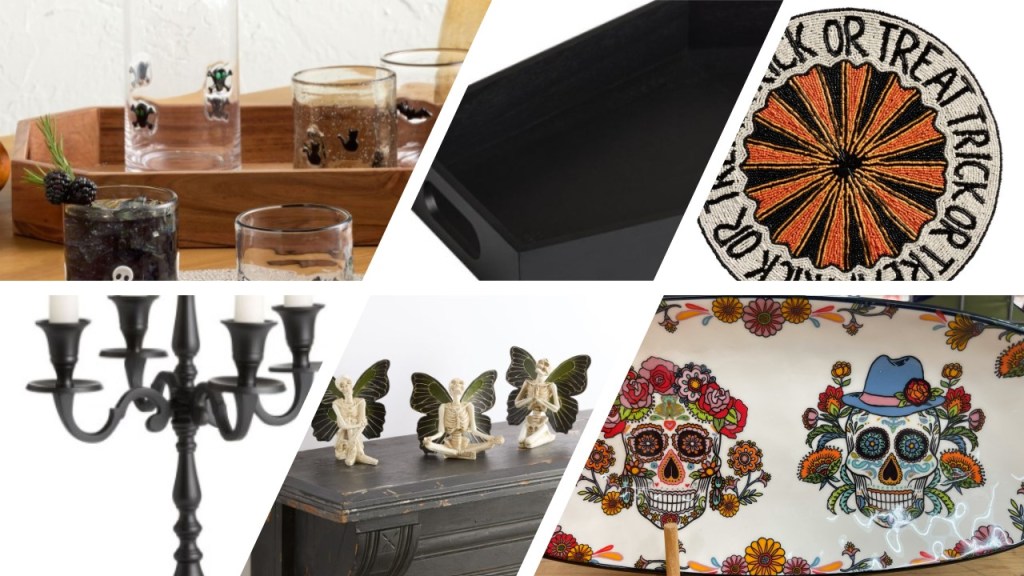
    If there’s one store that never fails to surprise me with unique seasonal pieces, it’s World Market. Their fall collection this year is all about mixing global-inspired textures, artisan details, and cozy seasonal staples that can carry you from spooky season straight through Thanksgiving.

    🎃 Halloween at World Market

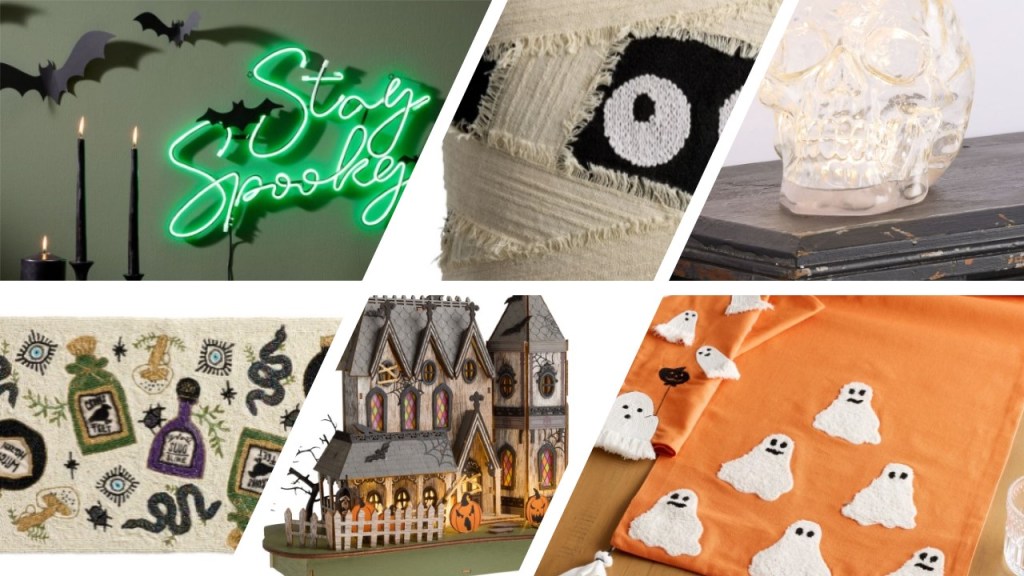
    Whimsical + Quirky: Think skeleton wine glasses, spooky candle holders, and playful black cats with a handcrafted vibe.

    Shop these items here: https://tr.ee/PBDQl8

    Chic Entertaining: Serving trays, barware, and table linens with Halloween flair perfect for grown-up gatherings.

    DIY Friendly: Neutral pumpkins and lanterns you can customize for your space.

    🍁 Fall Favorites

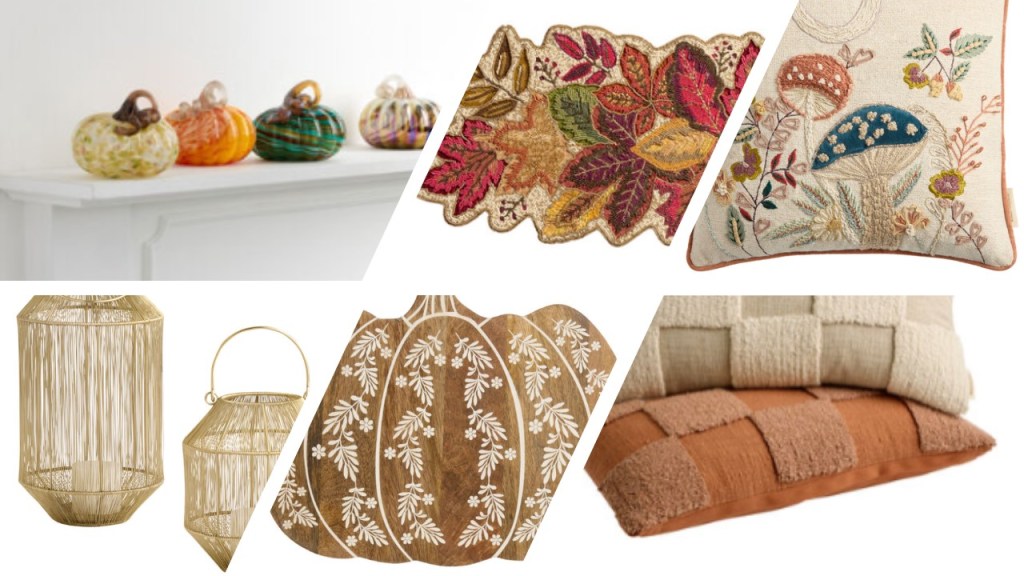
    Global Textures: Handwoven baskets, Turkish-style rugs, and carved wooden bowls that add richness to any room.

    Velvet + Metallic Pumpkins: A blend of cozy and glam that’s perfect for mantels or tabletops.

    Warm Scents: Their seasonal candles—pumpkin spice, cider & clove (I bought this one home it smelled so good), and chai—set the mood instantly.

    🦃 Thanksgiving Prep in Full Swing!

    I’m dedicating a special section just for Thanksgiving to give this holiday the spotlight it deserves. Stay tuned for all the cozy, festive goodness! 😊

    Why Shop World Market This Fall?

    You’ll find pieces that feel one-of-a-kind while still keeping that warm seasonal vibe. It’s perfect if you want décor that stands out and feels curated rather than cookie-cutter.

    👉 Tell me—are you shopping World Market for Halloween, cozy fall décor, or Thanksgiving hosting?

    Check out my walkthrough on my YouTube channel here:

    Shop these items here: https://tr.ee/PBDQl8

    Check out my YouTube Channel here: www.youtube.com/@SimplyStyledbyKat

  • Tackling HVAC Noise in the Bedroom: Our Acoustic Panel Wall Transformation

    We must have a thing with AC units… because no matter where we move, they somehow find a way to cause chaos. In our last house, the unit was so far away from the primary bedroom that it was always either freezing or way too hot, depending on the season. So when we moved into this new place, we crossed our fingers that HVAC wouldn’t be a problem.
    Whelp… that didn’t last long.

    The First Night Reality Check 😳

    The very first night in our new bedroom, we both turned to each other and said:
    “Oh my god… is it really that loud?”

    It was.
    We placed our hands on the wall—and we could feel the vibration. Not just a hum… a full-on buzz. It was absolutely nuts!
    Step One: Call in the Pros


    Like any good homeowner, our first instinct was to get it checked. We had three separate inspections, and each time the verdict was the same:

    “Everything’s working fine!”
    And of course, it never sounded that loud when the tech was there. 🙄

    Step Two: Try, Try, Try Again

    ✅ Fix #1: Rubber Mulch + Vibration Pads

    Vibration Pad for HVAC we used: https://tr.ee/kk2VEH
    We replaced the large river stones surrounding the unit with rubber mulch to reduce the chance of vibration bouncing off the rock and into the house. We also added vibration pads underneath the unit itself to soften any low-frequency rumbling.
    Result: Helped a little. But not enough.

    ✅ Fix #2: Insulating the Lines

    Insulated Pipe Wrap: https://tr.ee/Lq8hm1
    We secured and insulated all the trunk lines, wiring, and pipes running from the unit into the wall.
    Result: Another small improvement—but not the solution we needed.

    The Breakthrough: Acoustic Panels

    After way too many late-night YouTube rabbit holes, we started looking into ways to dampen the wall itself, rather than fighting the HVAC unit.

    We always dreamed of doing a barnwood or shiplap accent wall, but to make it effective as a sound barrier, we’d need to install an underlayment first—driving up the cost and time. Just not worth it.

    Then we found Tonor Acoustic Panels.
    These are stylish, adhesive-backed sound-dampening panels that people were raving about for podcast studios, noisy apartments, and more.

    Step-by-Step: Installing Tonor Acoustic Panels

    Want to try it yourself? Here’s what you’ll need and how we did it:

    🛠️ What You’ll Need:

    • Tonor Acoustic Panels
    • ✅ Painter’s tape or laser level
    • ✅ Measuring tape
    • ✅ Pencil or chalk line
    • ✅ Scissors or a sharp utility knife
    • ✅ A second person (trust us, it helps!)
    • ✅ Optional: spray adhesive or command strips for repositioning

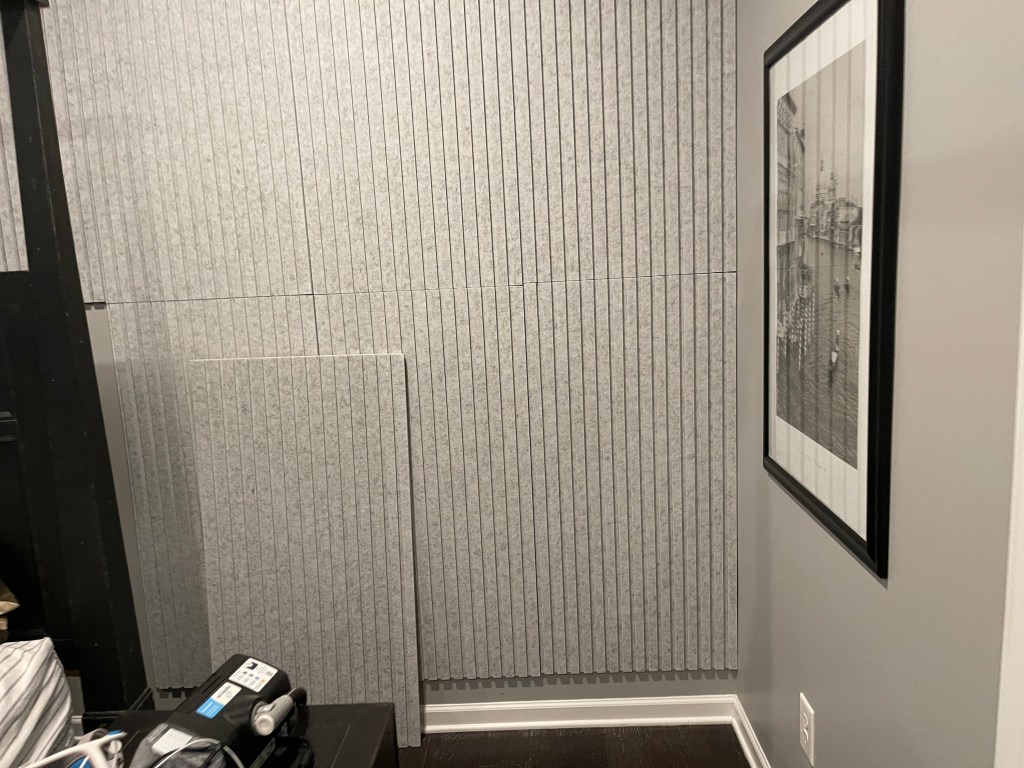
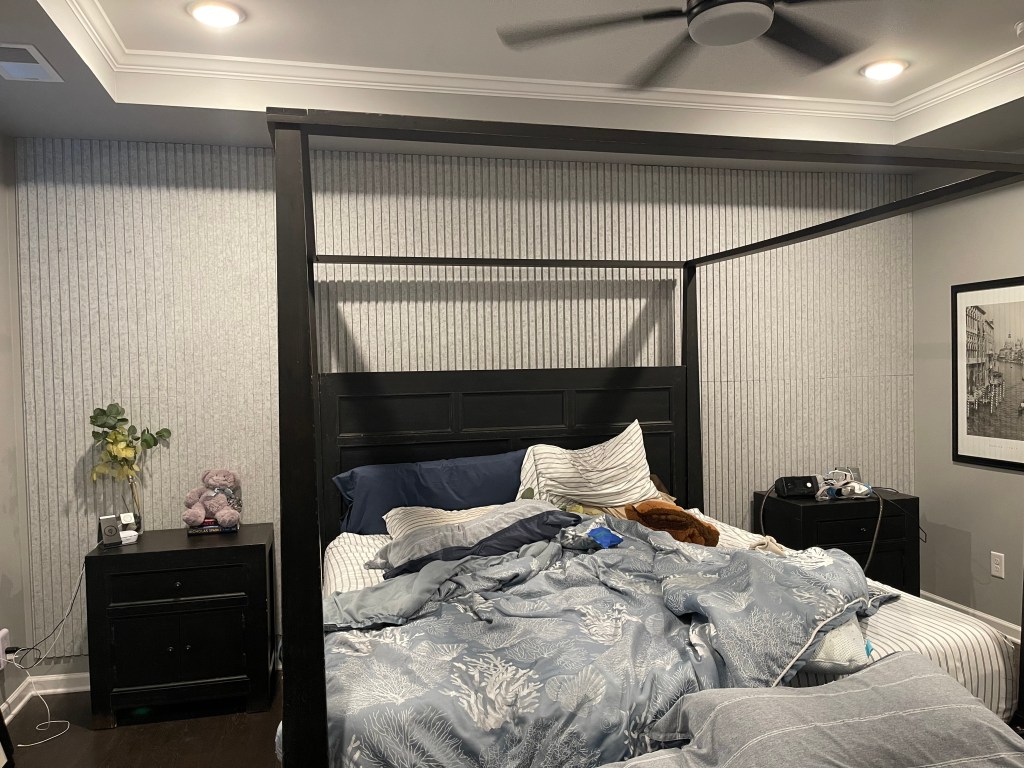
    The before image of the “vibrating” wall

    🧱 Installation Steps:

    Step 1: Plan your layout.
    Decide if you want a geometric layout, stacked hexagons, or a straight grid. We sketched ours out on paper first.

    Step 2: Mark your wall.
    Use painter’s tape or a laser level to make sure your panels will line up correctly. Our wall wasn’t square, so this part was key.

    We noticed there was a little variance between the panels

    Step 3: Test a few panels first.
    Hold a few panels on the wall before peeling the adhesive backs. Make sure the color and layout look right.

    Step 4: Peel and press!
    Carefully peel the backing and apply each panel firmly. Press and hold for a few seconds to ensure strong adhesion.

    Overall, we love the look but we had to work through the gappage!

    Step 5: Fill in the gaps.
    Use scissors or a utility knife to trim edge pieces to size. We had very minor gapping, but it blended in well!

    Step 6: Step back and admire.
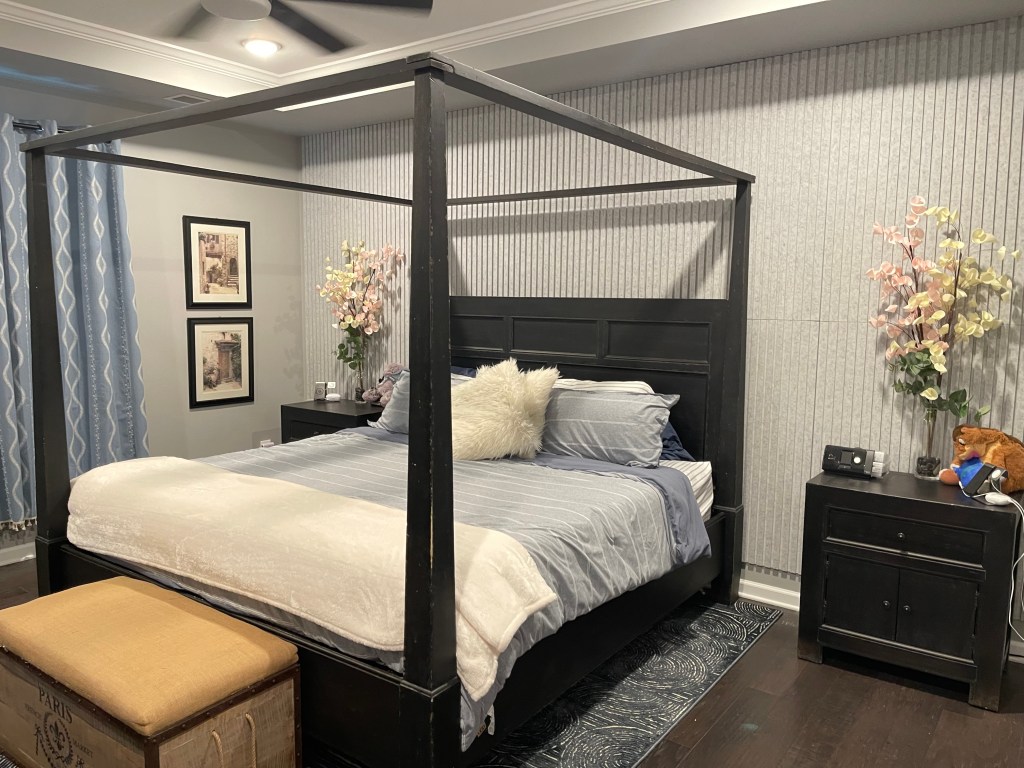
    The wall looked amazing—and it worked! The noise was dramatically reduced.

    Don’t mind the messy bed, we had to move everything around!!

    The Final Result: Stylish & Quiet 🎉

    The end result? It looks amazing—like a custom accent wall.
    But more importantly:

    The sound difference is INSANE.

    That wall no longer buzzes. The bedroom is calm, quiet, and cozy. We actually look forward to going to bed without worrying about HVAC noise keeping us up.

    The final final, lol! Gave me an excuse to rework the whole room…

    Would We Recommend Tonor Panels?

    Absolutely YES.
    They’re budget-friendly, easy to install, and gave us both peace and style. If you’ve got a noisy room—or just want a cool wall feature—these panels are so worth it.

    Thanks for following along with our bedroom glow-up! Let us know in the comments if you’ve tried something similar—or if you’re dealing with an annoying HVAC noise too. We’d love to hear how you solved it!

    💬 Don’t forget to subscribe to the blog for more DIY makeovers, design hacks, and lifestyle content from Simply Styled by Kat!

    Watch the full YouTube Video here: