Tag: business

  • Finding the Right Audience: Using Market Segmentation to Define a Target Market

    Understanding a target market is one of the most important steps in developing an effective marketing plan. Market segmentation allows businesses to divide larger audiences into smaller groups with shared characteristics, helping organizations create more focused marketing strategies and stronger customer connections. Without identifying a target market, businesses risk using broad marketing campaigns that may not reach the right audience.

    For my proposed service, Booked & Branded, a digital marketing service designed for independently owned event venues and hospitality businesses, identifying the target audience is essential for creating a successful marketing strategy. Two tools marketers can use to define target markets are market segmentation analysis and customer behavior analytics.

    Market Segmentation Analysis

    Market segmentation analysis helps businesses group customers according to demographic, geographic, psychographic, and behavioral characteristics. According to Corporate Finance Institute (2020), market segmentation improves customer targeting by helping organizations better understand consumer needs and create more personalized marketing efforts.

    For Booked & Branded, segmentation would help identify ideal clients such as:

    • Independent wedding venues
    • Boutique event spaces
    • Agritourism businesses
    • Farm venues
    • Small hospitality businesses without internal marketing teams

    Geographic segmentation would focus initially on the southeastern United States, particularly North Carolina, where tourism, wedding venues, and agritourism businesses continue to grow. Demographically, the target market would include business owners and venue managers between approximately 30–60 years old. Psychographically, these individuals often value creativity, customer experience, community engagement, and business growth.

    Behavioral segmentation would also help identify venue owners who actively use social media but struggle with consistency, branding, engagement, or content creation. Sawtooth Software (2024) explains that effective market segmentation creates more efficient marketing campaigns because organizations can focus on specific customer needs rather than broad audiences.

    Customer Behavior and Social Media Analytics

    Another valuable tool for identifying target markets is customer behavior analytics through digital platforms and social media insights. Tools such as Google Analytics, Instagram Insights, Facebook Business Suite, and TikTok Analytics provide marketers with audience information related to demographics, engagement behavior, location, and content performance.

    These tools help marketers understand:

    • Customer interests
    • Audience demographics
    • Geographic trends
    • Engagement levels
    • Preferred content types

    For Booked & Branded, these analytics tools would help determine which event venues interact most with digital content and which marketing platforms generate the strongest engagement. Since event venues rely heavily on visual storytelling and customer experiences, short-form video performance would become especially important.

    The market segmentation video resource also emphasizes that understanding customer behavior supports better positioning, targeting, and communication strategies when developing marketing plans (YouTube, 2022).

    Why These Tools Matter in Marketing Plan Development

    The information gathered through segmentation and analytics directly supports marketing plan development because it helps marketers determine target audiences, messaging strategies, positioning, promotional channels, pricing decisions, and customer relationship activities.

    Based on these tools, the primary target market for Booked & Branded would be independently owned event venues, boutique hospitality businesses, wedding venues, and agritourism locations seeking affordable digital marketing support. A secondary audience could include other small hospitality businesses needing social media management and branding assistance.

    As competition continues to increase, organizations that understand their customers and apply market segmentation strategies effectively will be better positioned to build customer loyalty and long-term growth.

    References

    Corporate Finance Institute. (June 25, 2020). Market segmentation and targeting. Market Segmentation and Targeting – Overview and Example

    Sawtooth Software. (Feb 13, 2024). Market segmentation best practices. Market Segmentation Best Practices: Tips for Accurate Audience Identification | Sawtooth Software

    YouTube. (Sep 17, 2022). Market segmentation and targeting [Video]. 7 Powerful Market Research Tools You Should Use Right Now! – YouTube

  • Going “Further”: How National Geographic Repositioned Its Brand for the Digital Age

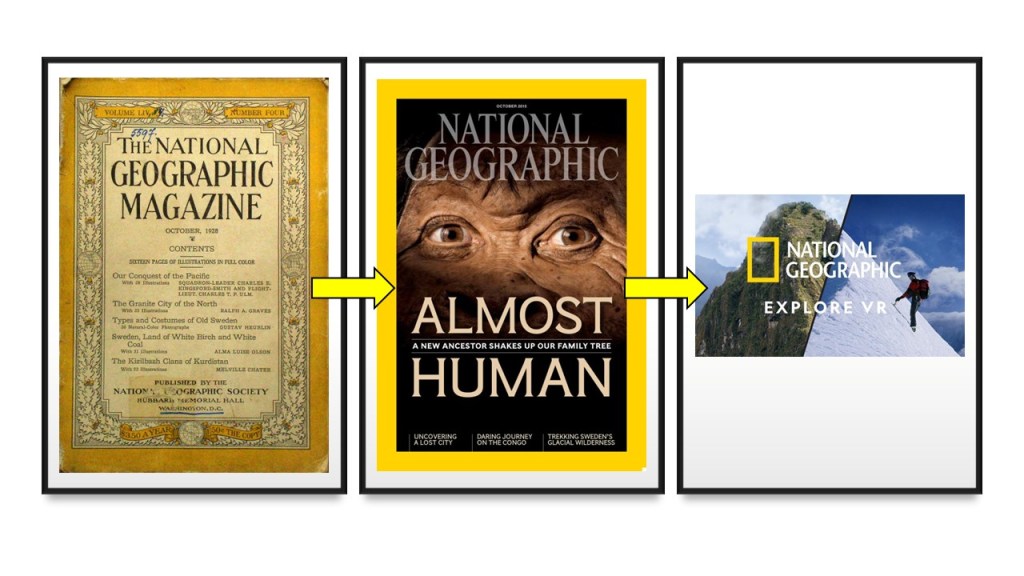
    Brand positioning plays an important role in how consumers understand and connect with a brand. One brand that has done an amazing job at evolving while staying true to its roots is National Geographic. Over time, the brand has updated its name usage, slogan, and digital strategy to stay relevant while still focusing on its mission of exploration, science, and storytelling.

    National Geographic has always been known for inspiring people to learn about the world through exploration, science, and education. Many people remember the iconic yellow-bordered magazines filled with incredible photography and stories from around the world. However, as media consumption began shifting toward digital platforms, the brand needed to adjust how it presented itself to reach new audiences.
    One of the most important repositioning efforts came in 2016, when the company simplified its brand by removing the word “Channel” from its television identity. Instead of separating the magazine, television network, and digital platforms, everything was unified under the single name National Geographic. This made the brand easier to recognize and helped create a consistent identity across all platforms. Wheeler and Meyerson (2024) explain that strong brands communicate a clear and unified identity to both consumers and stakeholders, which helps strengthen brand recognition.

    Another key part of the repositioning was the introduction of the slogan “Further.” This message reflects the brand’s commitment to exploration and curiosity, encouraging audiences to go deeper into stories about science, culture, and the natural world. The rebranding also supported a shift toward more cinematic and premium programming, such as series like Mars and Genius, helping the brand feel more modern and sophisticated (Gretel, n.d.).
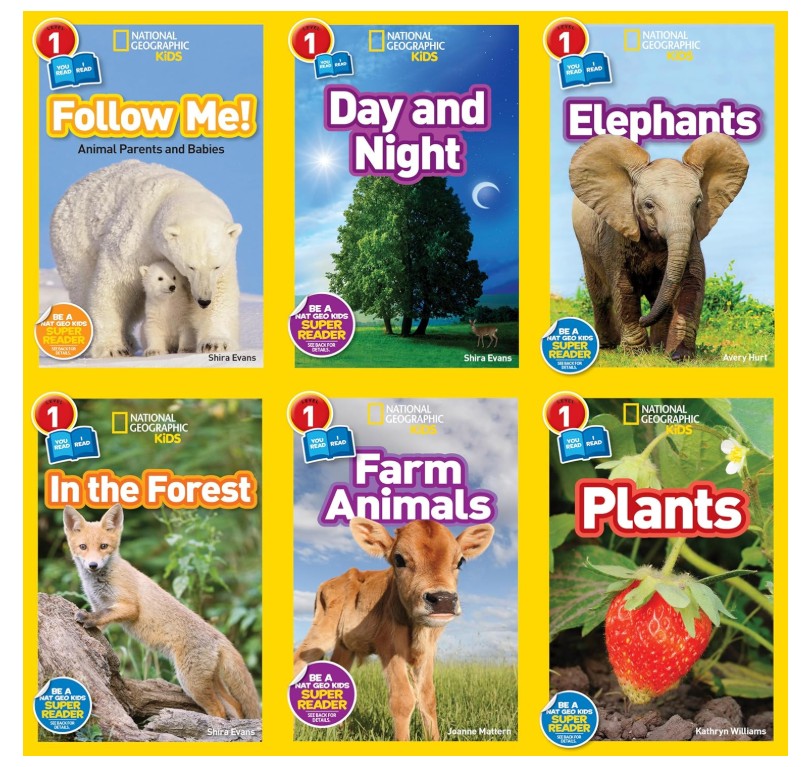
    At the same time, National Geographic found ways to reconnect with younger audiences. The National Geographic Kids magazine became a strong tool for positioning the brand with children and families. These magazines are often used in classrooms and schools to help students learn about science, animals, geography, and world cultures in an engaging way. By reaching younger audiences through education, the brand has been able to build early familiarity and trust with future generations of readers and explorers.
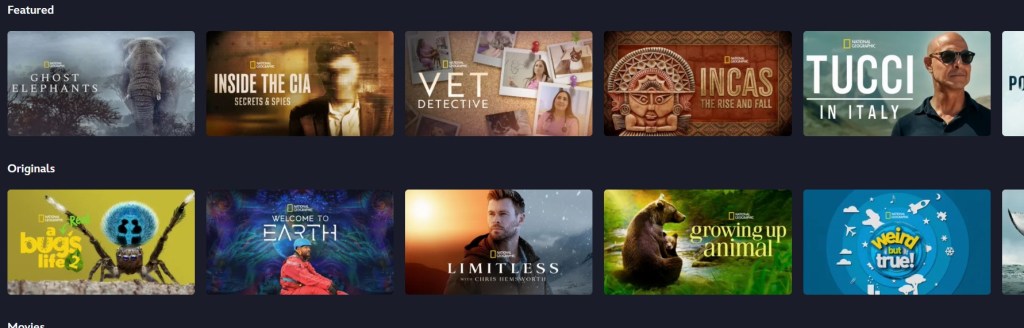
    From a marketing perspective, National Geographic also demonstrates the concepts of points of parity (POPs) and points of differentiation (PODs). Points of parity allow the brand to compete within the media and documentary category by producing educational and informational content. However, the brand’s points of differentiation come from its world-renowned photography, history of exploration, and connections to real scientific research and conservation work. These factors help make National Geographic stand out from other educational media brands and strengthen its credibility.

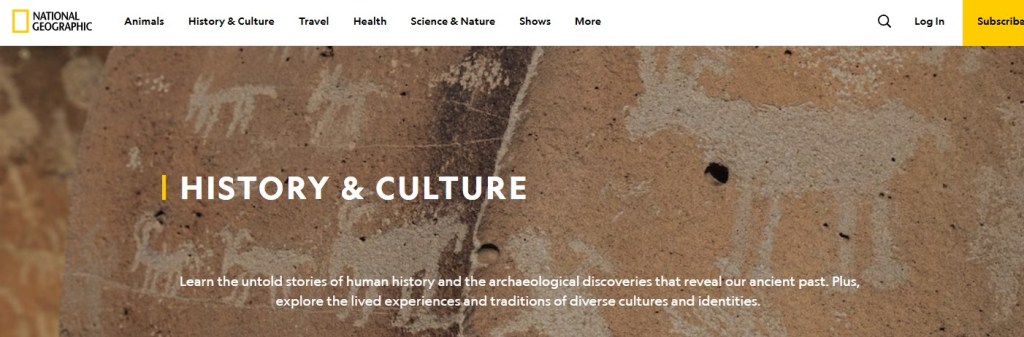
    The repositioning also helped expand National Geographic’s digital presence. Today, the brand connects with global audiences through websites, streaming content, and social media platforms. In fact, National Geographic has one of the most followed accounts on Instagram, sharing powerful images from photographers around the world (Fabrik Brands, n.d.). This digital strategy allows the brand to stay relevant while continuing to promote its mission of exploration and environmental awareness.
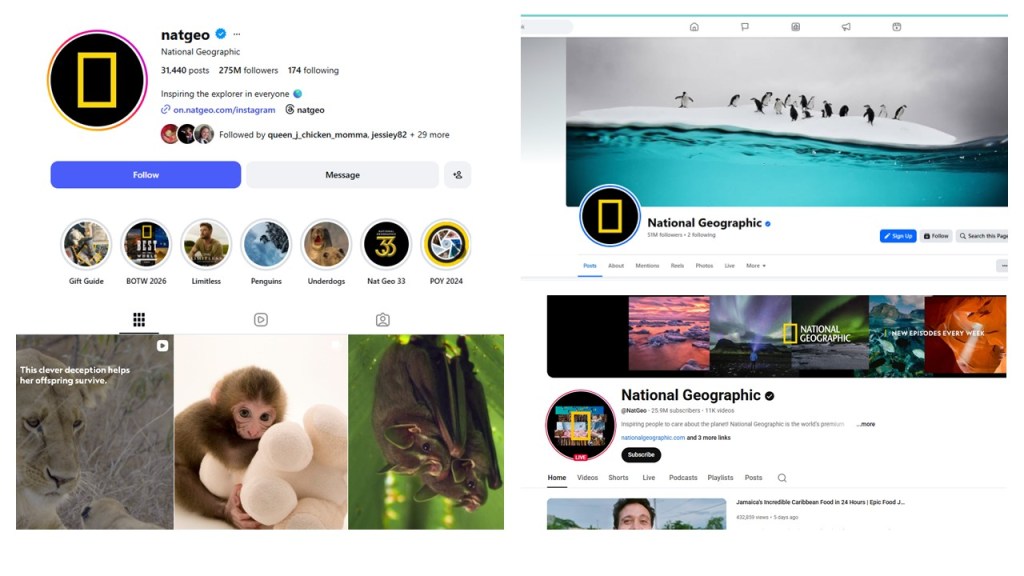
    When developing a brand name, clarity and recognition are critical strategies. National Geographic demonstrates this by simplifying its identity and using the same name across all of its platforms. Wheeler and Meyerson (2024) explain that effective brand names should be memorable, meaningful, and consistent across touchpoints. By consolidating its identity, National Geographic strengthened its brand positioning and made it easier for audiences to connect with the brand.

    Overall, National Geographic shows how a well-established brand can evolve while still honoring its core mission. Through its simplified branding, the “Further” slogan, expanded digital presence, and educational initiatives like National Geographic Kids, the brand has successfully repositioned itself for modern audiences while continuing to inspire curiosity about the world.

    References

    Fabrik Brands. (n.d.). Brands and companies that have repositioned themselves.
    15 Brands And Companies That Have Repositioned Themselves

    Gretel. (n.d.). National Geographic rebrand. National Geographic — Gretel

    Wheeler, A., & Meyerson, R. (2024). Designing brand identity: A comprehensive guide to the world of brands and branding (6th ed.). John Wiley & Sons, Inc.