Tag: digital-marketing

  • Going “Further”: How National Geographic Repositioned Its Brand for the Digital Age

    Brand positioning plays an important role in how consumers understand and connect with a brand. One brand that has done an amazing job at evolving while staying true to its roots is National Geographic. Over time, the brand has updated its name usage, slogan, and digital strategy to stay relevant while still focusing on its mission of exploration, science, and storytelling.

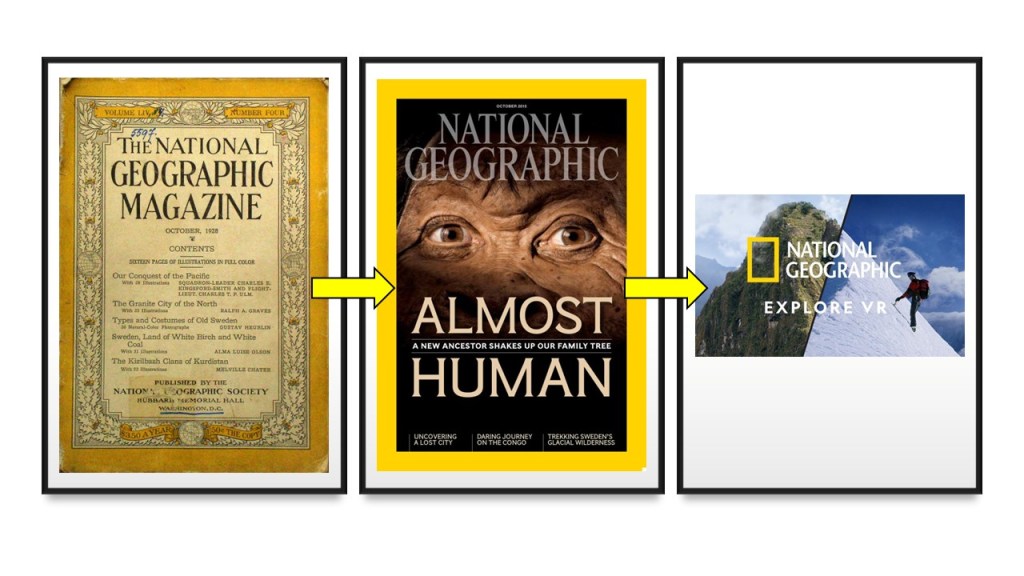
    National Geographic has always been known for inspiring people to learn about the world through exploration, science, and education. Many people remember the iconic yellow-bordered magazines filled with incredible photography and stories from around the world. However, as media consumption began shifting toward digital platforms, the brand needed to adjust how it presented itself to reach new audiences.

    One of the most important repositioning efforts came in 2016, when the company simplified its brand by removing the word “Channel” from its television identity. Instead of separating the magazine, television network, and digital platforms, everything was unified under the single name National Geographic. This made the brand easier to recognize and helped create a consistent identity across all platforms. Wheeler and Meyerson (2024) explain that strong brands communicate a clear and unified identity to both consumers and stakeholders, which helps strengthen brand recognition.

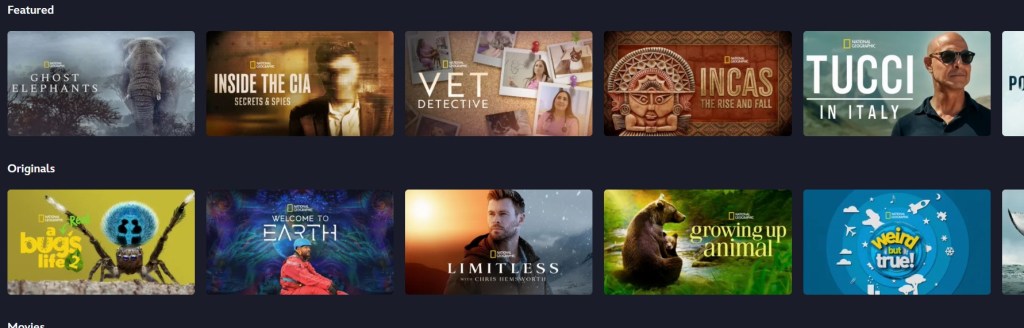
    Another key part of the repositioning was the introduction of the slogan “Further.” This message reflects the brand’s commitment to exploration and curiosity, encouraging audiences to go deeper into stories about science, culture, and the natural world. The rebranding also supported a shift toward more cinematic and premium programming, such as series like Mars and Genius, helping the brand feel more modern and sophisticated (Gretel, n.d.).

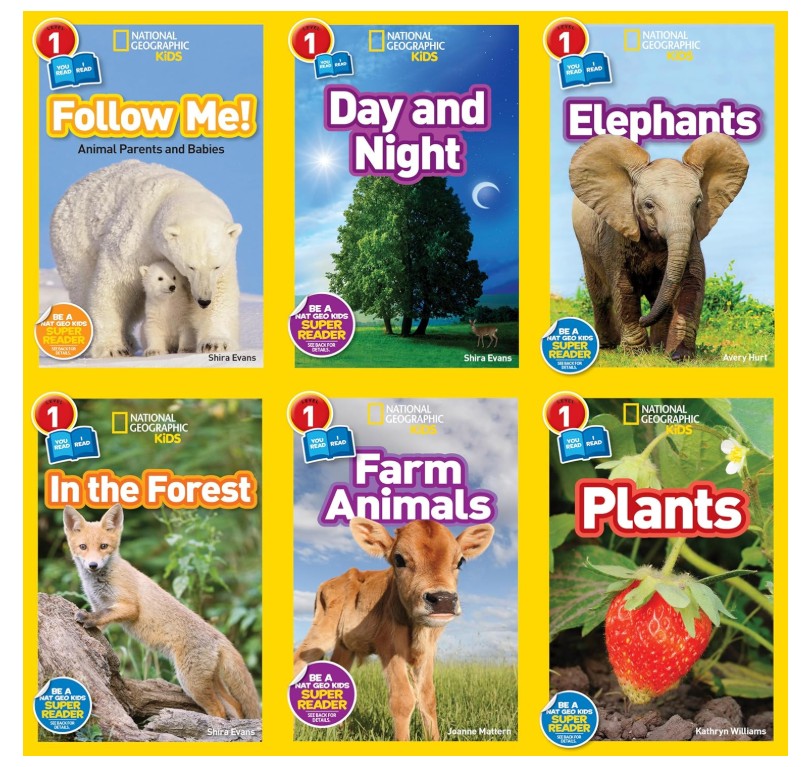
    At the same time, National Geographic found ways to reconnect with younger audiences. The National Geographic Kids magazine became a strong tool for positioning the brand with children and families. These magazines are often used in classrooms and schools to help students learn about science, animals, geography, and world cultures in an engaging way. By reaching younger audiences through education, the brand has been able to build early familiarity and trust with future generations of readers and explorers.

    From a marketing perspective, National Geographic also demonstrates the concepts of points of parity (POPs) and points of differentiation (PODs). Points of parity allow the brand to compete within the media and documentary category by producing educational and informational content. However, the brand’s points of differentiation come from its world-renowned photography, history of exploration, and connections to real scientific research and conservation work. These factors help make National Geographic stand out from other educational media brands and strengthen its credibility.

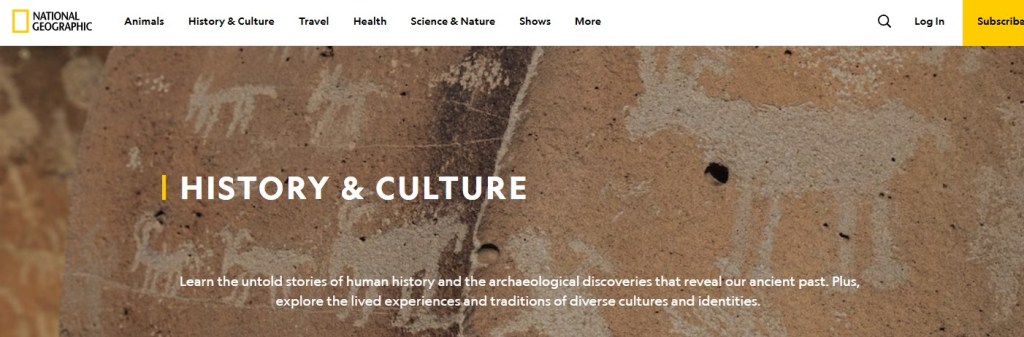
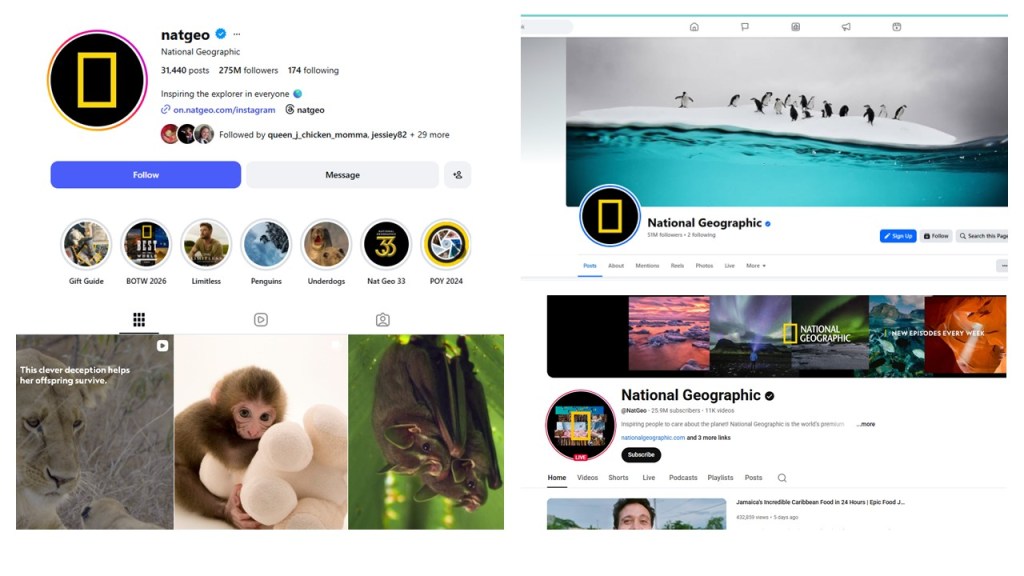
    The repositioning also helped expand National Geographic’s digital presence. Today, the brand connects with global audiences through websites, streaming content, and social media platforms. In fact, National Geographic has one of the most followed accounts on Instagram, sharing powerful images from photographers around the world (Fabrik Brands, n.d.). This digital strategy allows the brand to stay relevant while continuing to promote its mission of exploration and environmental awareness.

    When developing a brand name, clarity and recognition are critical strategies. National Geographic demonstrates this by simplifying its identity and using the same name across all of its platforms. Wheeler and Meyerson (2024) explain that effective brand names should be memorable, meaningful, and consistent across touchpoints. By consolidating its identity, National Geographic strengthened its brand positioning and made it easier for audiences to connect with the brand.

    Overall, National Geographic shows how a well-established brand can evolve while still honoring its core mission. Through its simplified branding, the “Further” slogan, expanded digital presence, and educational initiatives like National Geographic Kids, the brand has successfully repositioned itself for modern audiences while continuing to inspire curiosity about the world.

    References

    Fabrik Brands. (n.d.). Brands and companies that have repositioned themselves.
    15 Brands And Companies That Have Repositioned Themselves

    Gretel. (n.d.). National Geographic rebrand. National Geographic — Gretel

    Wheeler, A., & Meyerson, R. (2024). Designing brand identity: A comprehensive guide to the world of brands and branding (6th ed.). John Wiley & Sons, Inc.

  • Understanding Brand Life Cycle Through the Marketing Mix

    Brands move through different stages of a life cycle, including development, growth, and maturity. During each stage, companies use the marketing mix: product, price, promotion, and place. This mix will strengthen brand identity and increase brand equity. A strategic brand manager must understand where a brand is in its life cycle. This understanding helps in applying the most effective strategies. The goal is to connect with consumers and maintain long-term success (Wheeler & Meyerson, 2024). Let’s use the following examples to examine three brands at different stages of their life cycle: Fenty Beauty in development, Lemon8 in growth, and Apple in maturity.

    Brand Development: Fenty Beauty

    Fenty Beauty is a strong example of a brand in the development and launch stage. When Rihanna introduced the brand in 2017, the company focused heavily on inclusivity and product differentiation.

    Product: The product strategy was a major factor in Fenty Beauty’s success at launch. The brand introduced over 40 foundation shades. This addressed a gap in the beauty industry. It created products that served a more diverse group of consumers. This helped establish Fenty Beauty as an inclusive and forward-thinking brand.

    Price: Fenty Beauty uses a pricing strategy that balances luxury and accessibility. The brand is positioned in the prestige beauty market, but the products are still affordable enough for many consumers. This allows Fenty Beauty to maintain a premium image while reaching a wider audience.

    Promotion: Promotion has been key to Fenty Beauty’s success. Rihanna’s popularity and social media reach helped generate strong visibility when the brand first launched. Today, the company continues to rely on influencer marketing and online content to build brand awareness. Its messaging around inclusivity and representation also helps create a deeper connection with consumers (Social Life Magazine, 2026).

    Place: Fenty Beauty partnered with Sephora and uses strong online distribution to reach consumers. This strategy helped the brand quickly expand access while maintaining its reputation in the premium beauty market. These efforts helped build positive consumer perception and strong brand equity during its development stage.

    Brand Growth: Lemon8

    Lemon8 represents a brand currently in the growth stage of the brand life cycle. ByteDance, the company behind TikTok, owns Lemon8. It is a social media platform that focuses on lifestyle content such as fashion, travel, beauty, and wellness.

    Product: Lemon8’s product is a social media platform focused on lifestyle content such as fashion, travel, beauty, and wellness. The app encourages users to create visually organized posts that feel similar to a digital magazine or guide. This style of content helps Lemon8 stand out from other social platforms and appeals to users who enjoy sharing inspiration and recommendations (Oxford College of Marketing, 2023).

    Price: Lemon8 is free to download and use, which makes it easy for new users to join the platform. By removing cost barriers, the company can quickly grow its user base and encourage more people to create and share content.

    Promotion: Lemon8 promotes the platform heavily through influencer marketing and cross-promotion on TikTok. Many creators share tutorials and encourage their followers to join the app. This strategy helps increase awareness and builds trust through well-known content creators (Oxford College of Marketing, 2023).

    Place: Lemon8 is available through mobile app stores, making it easily accessible to users on smartphones. Because most social media activity happens on mobile devices, this mobile-first approach helps the platform grow and reach a larger audience.

    Brand Maturity: Apple

    Apple represents a brand that has reached the maturity stage of the brand life cycle. At this stage, companies focus on maintaining strong brand equity and customer loyalty while continuing to innovate.

    Product: Apple’s product strategy focuses on creating an ecosystem of connected devices, including the iPhone, Mac, Apple Watch, and digital services. These products are designed to work seamlessly together, which makes the experience more convenient for users and encourages long-term loyalty to the brand.

    Price: Apple uses a premium pricing strategy that reflects the brand’s reputation for quality, innovation, and design. Apple products are often more expensive than competitors. However, many consumers are willing to pay the higher price. They associate the brand with reliability and performance.

    Promotion: Apple’s marketing focuses on simple, clean advertising that highlights how its products improve everyday life. Rather than emphasizing technical features, Apple often tells stories about creativity, productivity, and user experience. The company also continues to promote its growing digital services, which reached record-breaking performance in recent years (Cue, 2026).

    Place: Apple sells its products through multiple channels. These include Apple retail stores, its online store, and partnerships with mobile carriers. They also collaborate with major electronics retailers. These distribution channels make Apple products widely accessible while maintaining a premium brand experience.

    Key Takeaways

    The marketing mix (product, price, promotion, and place) plays an important role in building brand identity and brand equity.

    Fenty Beauty shows how strong product differentiation and inclusivity can help a brand stand out during the development stage.

    Lemon8 demonstrates how influencer marketing and mobile accessibility help brands grow their audience.

    Apple illustrates how mature brands maintain loyalty through innovation, premium pricing, and a connected ecosystem of products and services.

    References

    Social Life Magazine. (2026). Rihanna’s Fenty Beauty strategy: Inclusivity meets luxury brand. https://sociallifemagazine.com/the-archive/rihanna-fenty-beauty-strategy-inclusivity-luxury-brand/

    Cue, E. (2026, January 12). 2025 marked a record-breaking year for apple services. Apple.com. Retrieved March 3, 2026, from https://www.apple.com/newsroom/2026/01/2025-marked-a-record-breaking-year-for-apple-services/

    Wheeler, A., & Meyerson, R. (2024). Designing brand identity (6th ed.). Wiley.

    Lemon8. (n.d.). lemon8-app.com

    Oxford College of Marketing. (2023). Exploring the marketing opportunities of Lemon8.
    Exploring the Marketing Opportunities of Lemon8 | OXCOM